Bookstagram templates are pre-designed Instagram layouts for book content — quote cards, review graphics, launch countdowns — that you fill with your own cover and words. Free and paid packs are everywhere; the sizes and formats below work in any editor. Then, for the posts that actually sell books, we'll show you the step past templates.
Whatever template pack you use, export at these sizes — Instagram quietly punishes anything it has to crop or upscale.
Six formats carry most successful author accounts. Any template pack that covers these — in your genre's palette — is enough.
One devastating line from the book over a moody background, cover thumbnail in the corner. The evergreen — readers share lines, not links.
Works because: it samples the product."Grumpy ✕ sunshine. Forced proximity. One bed." — your book's tropes as a list. Readers shop by trope; this is your shelf label as a post.
Works because: it speaks the reader's search language.A real reader review, quoted and credited, on brand colours. Rotate them — one review graphic a week compounds trust faster than any self-praise.
Works because: proof beats promise.Cover + date + "3 days" — the launch drumbeat, in Stories with the countdown sticker so readers can opt into the reminder.
Works because: deadlines move preorders.A collage board of a lead character — outfit, setting, objects, vibe. Comment sections fill with "I know exactly who this is."
Works because: it invites the reader inside the book.Your desk, your draft, your margin notes. The one format where polish hurts — this is the parasocial glue between launches.
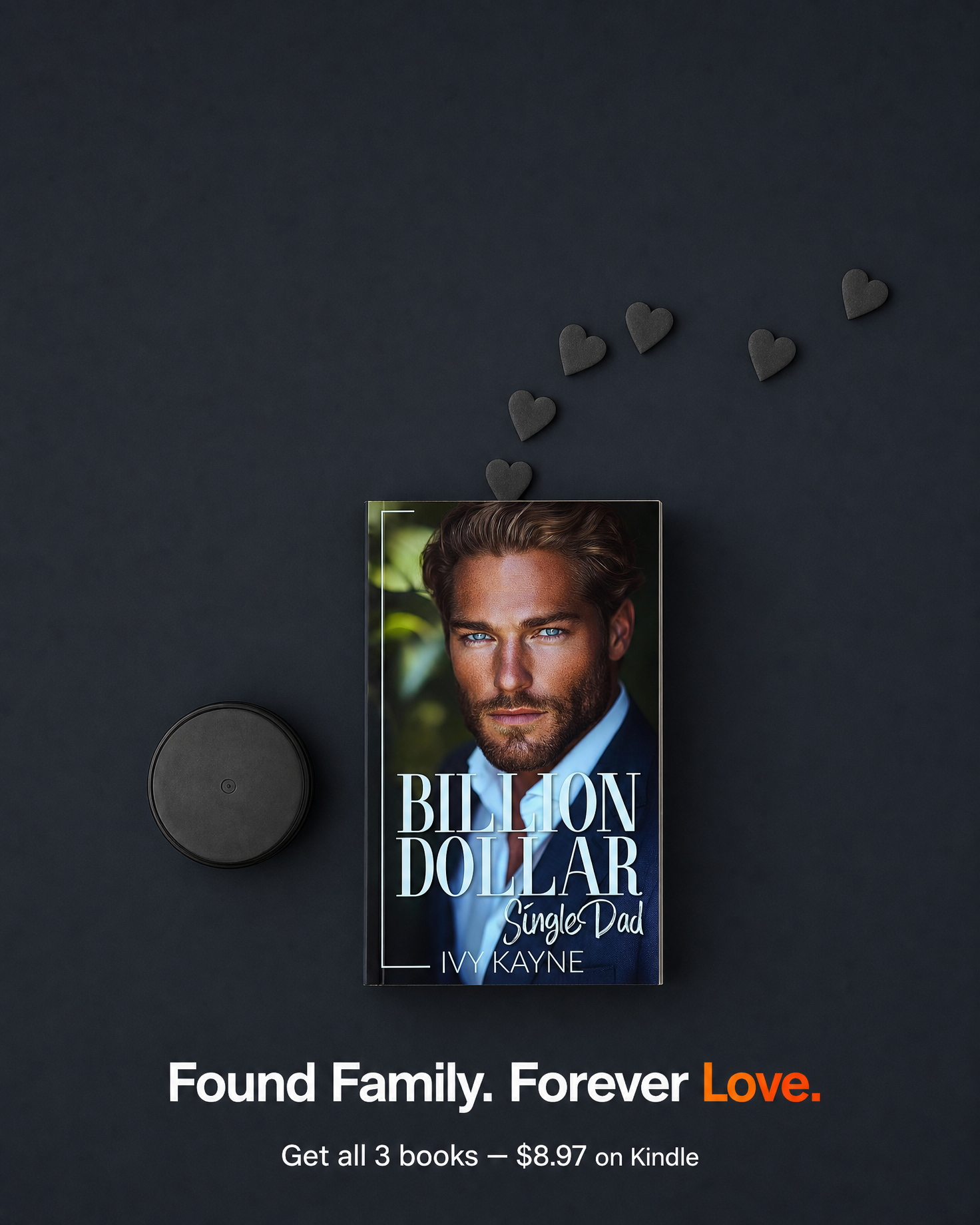
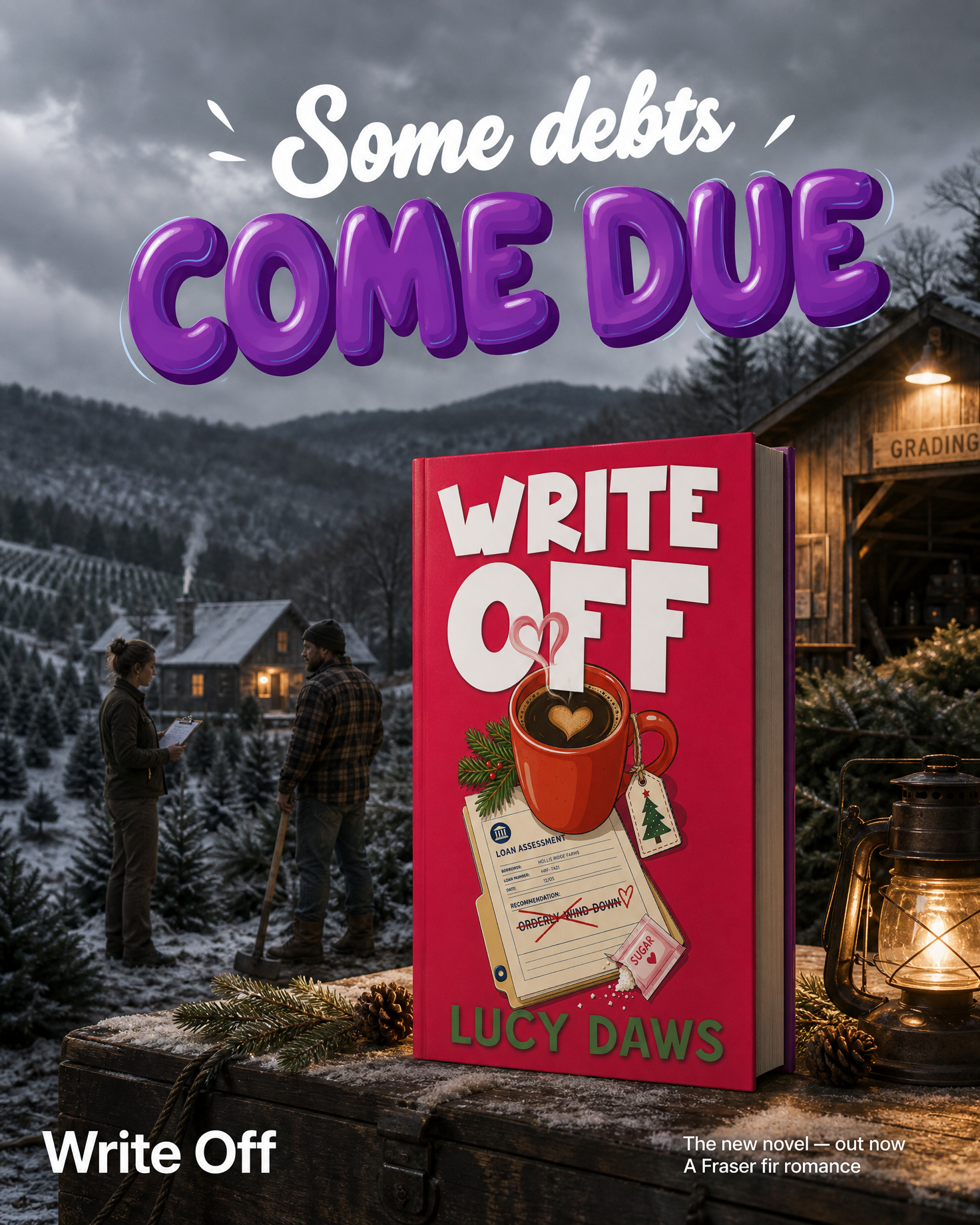
Works because: readers follow authors, not covers.Templates keep a grid tidy, but every author fills them with the same stock backgrounds — and the feed learns to scroll past them. The posts that stop readers are built from the book itself: your cover staged in a scene, your leads texting in their own words. These are real, unedited outputs from our own pen-name campaigns — we never publish client books, so we show our own.
Need the posting plan too? The Viral Hook Pack writes four ready-to-film reel scripts in your book's voice plus a 30-day posting calendar — so the grid never goes quiet. And if you're running paid alongside organic, start with what makes a book ad sell.
Free and paid template packs are everywhere — general design tools ship hundreds, and template marketplaces sell genre-styled packs for a few dollars. Any of them work if you export at the right sizes: 1080×1350 for feed posts, 1080×1920 for Stories and Reels.
Default to portrait 1080×1350 (4:5) for feed posts — it takes the most screen and reach. Square 1080×1080 still works; Stories and Reels are 1080×1920 (9:16) with text kept in the middle safe zone.
Rotate six formats: quote cards, trope cards, review graphics, countdowns, character aesthetics and behind-the-book posts. The mix samples the book, proves it with reviews, and builds the author relationship between launches.
Templates themselves don't — inconsistency and low-effort stock backgrounds do. A tidy template grid beats a chaotic one. What outperforms both is creative built from the book itself: staged covers and character videos stop readers that a generic quote card never reaches.
Start at the intake page: upload your manuscript or paste your Amazon link. Book Ad Pack reads the book and shows you the on-book images, chat video and 30-day hook pack it would build before you commit to anything.
Upload the manuscript or paste your Amazon link — we read the actual book, then show you the plan.