Book Ads That Sell: Formats, Specs & Real Examples
The author's field guide to book ads

Book ads that actually sell books.

A book ad is a paid placement that puts your book in front of readers — on Facebook and Instagram, on TikTok, or right on Amazon. The ones that sell all share the same anatomy: a visual built from the book, a promise in the reader's own language, and a page that closes the click. This guide shows that anatomy, the three formats working right now, and real examples from live campaigns.

Start here

The anatomy of a book ad.

Strip away the platform and every book ad that sells is the same five parts doing five jobs. When an ad fails, one of these five is missing or weak — and it is almost never the targeting.

The visualThe part that stops the scroll. A plain cover on a white background rarely does it; a cover staged inside a scene that looks like the book's world usually does. On Amazon your cover thumbnail IS the visual, which is why it has to read at postage-stamp size.
The hook lineOne sentence in the reader's own search language — the trope, the tension, the forbidden thing. "Her boss. Her rule. His fever-bright eyes." beats "A gripping tale of love and betrayal" every time it runs.
The promiseThe primary text: what the reader will feel, drawn from what actually happens in the book. Ads that promise what the book delivers convert twice — at the click, and again at the "buy" button.
The call to actionOne action, stated plainly: read the sample, grab the ebook, start the series. Multiple links or vague "learn more" phrasing leaks clicks.
The landing pageThe ad's silent second half. If the click lands on a bare Amazon listing with no A+ content and a blurb that reads like a synopsis, the spend leaks out there — after you already paid for the click.
Formats

The three formats that sell right now.

Platforms change their ad products constantly; these three formats have stayed the ones that move books. Build each at its native size — resized ads get quietly down-ranked.

The static image ad

A single on-book image in the Facebook or Instagram feed, 1:1 or 4:5. The workhorse: cheapest to test, fastest to refresh, and the format where a staged cover most obviously beats a plain one.

Best for: testing hooks cheaply and building cover recognition before launch.

The short vertical video

9:16, under 30 seconds, for Reels, TikTok and Shorts. The first three seconds decide everything: a scene, a line of real dialogue, a character moment — not a slideshow of quotes over stock footage.

Best for: discovery and launch momentum. See book trailers.

The Amazon placement

Sponsored Products put your cover in search results and on rival books' pages, targeted by keyword or by title. Here the cover and the price are the whole creative — pay-per-click keeps it honest.

Best for: high-intent buyers. Full guide: Amazon ads for authors.

The follow-through

Not an ad you buy — the A+ content on your Amazon page that catches every reader the ads send. Header, banner and tile images at Amazon's exact sizes turn a bare listing into a page that closes.

Best for: converting the traffic every other format paid for.
Straight off a real campaign

Real book ads, not mockups.

These are unedited assets from campaigns for our own pen-name books — the same pipeline a paying author gets. We never publish client books, so we show our own.

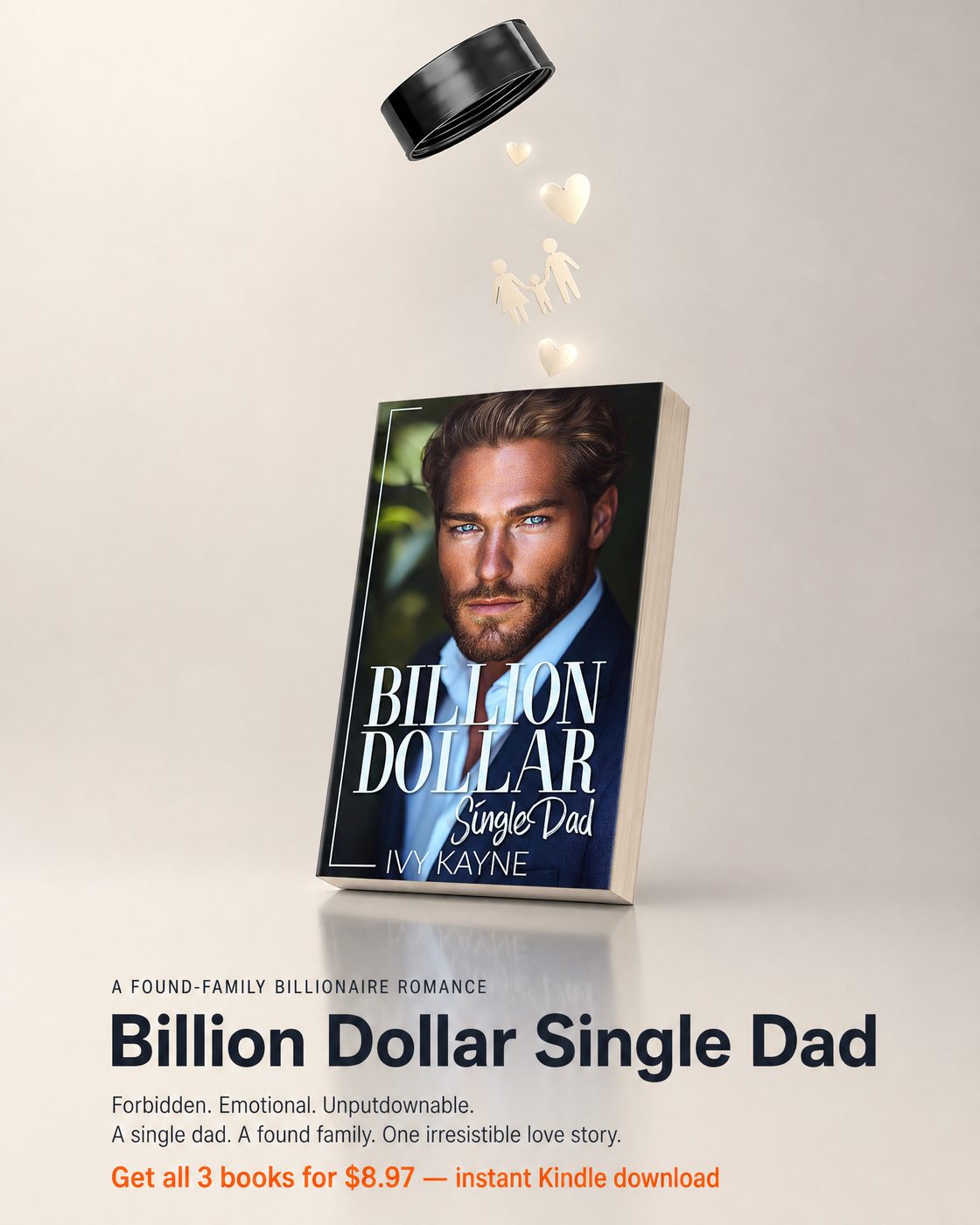
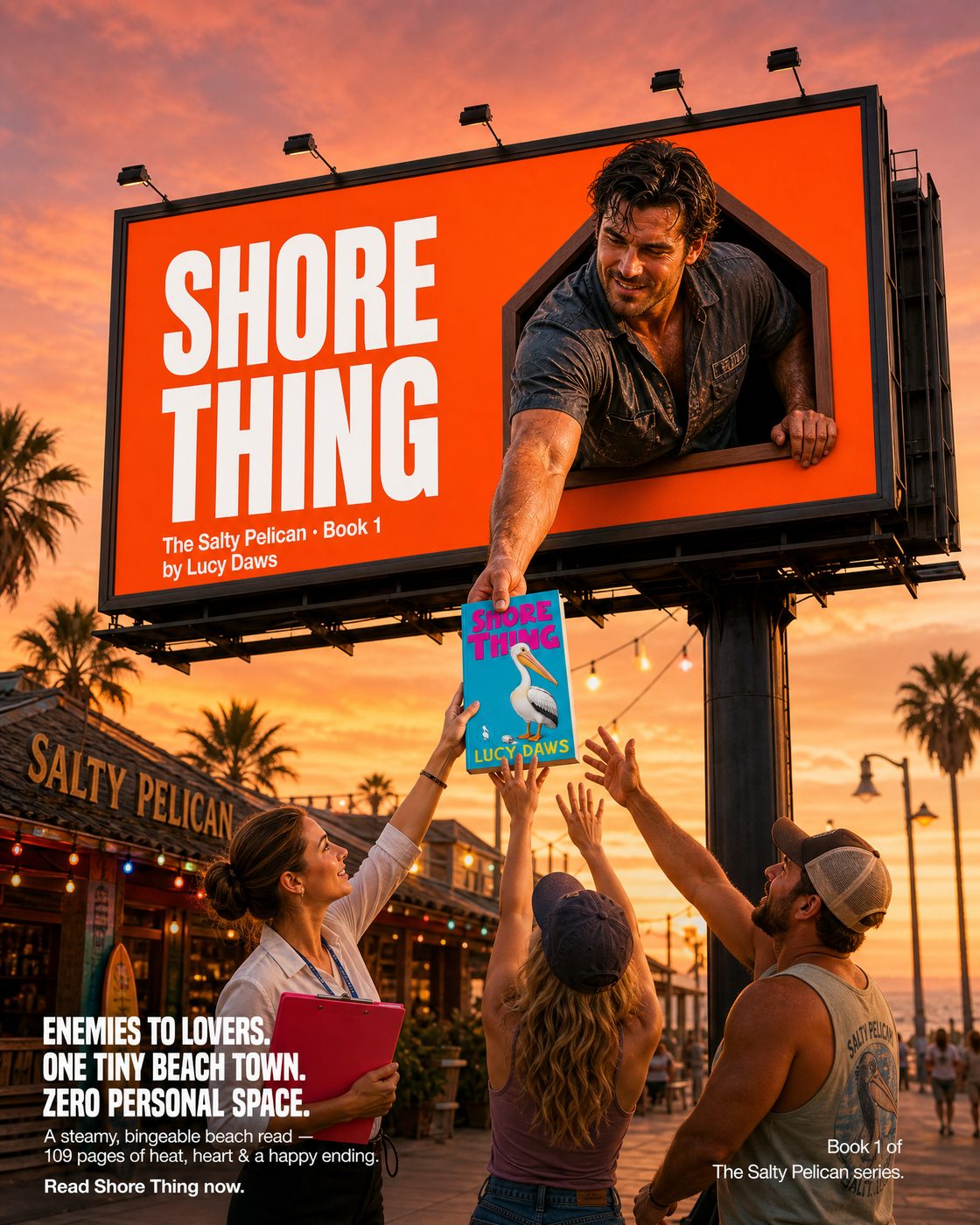
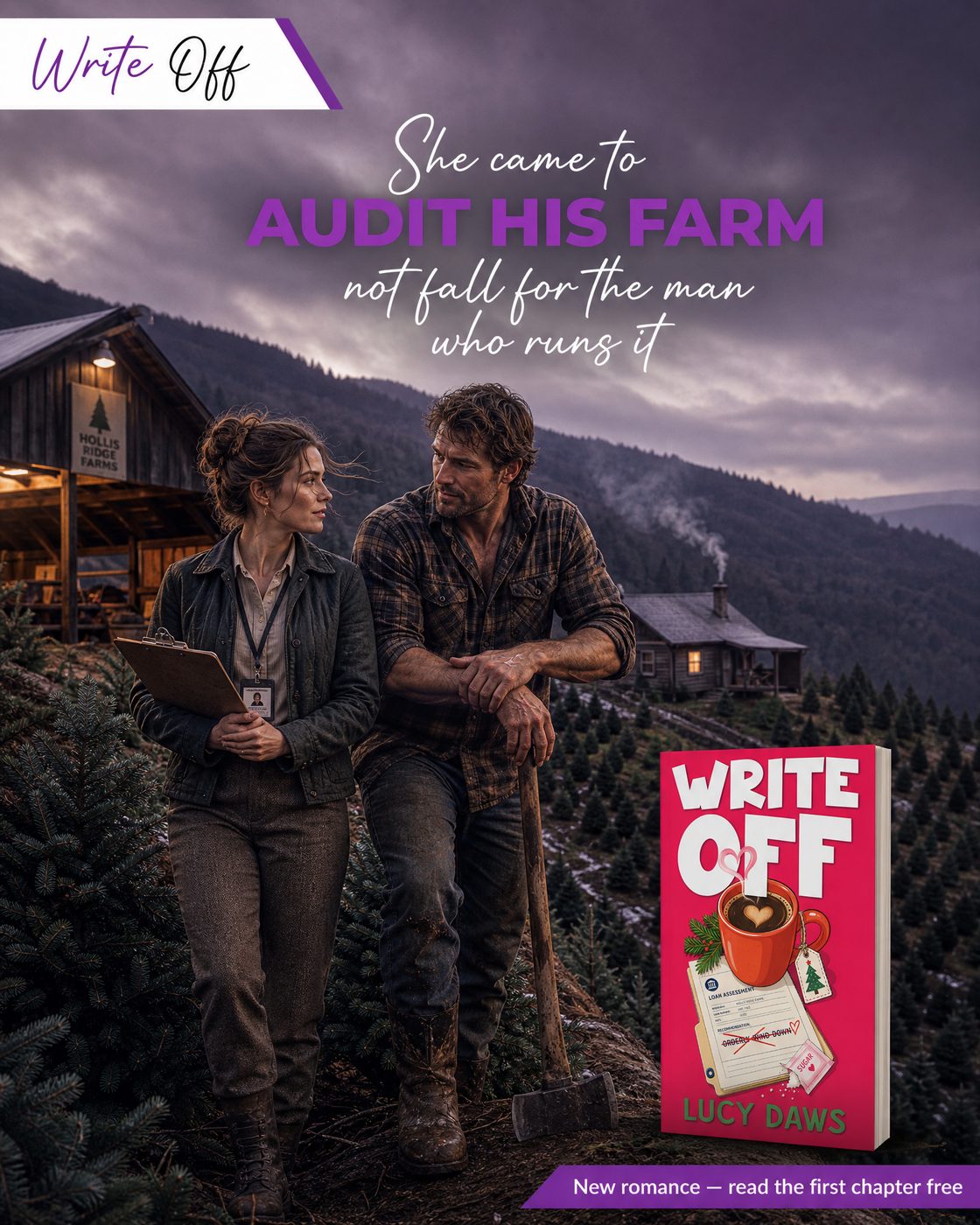
Book ad example — romance cover staged inside an ad-ready scene Book ad example — on-book ad image with the cover as the hero Book ad example — feed-sized book ad image from a live campaign
Static image ads from one campaign — the cover is the hero in every frame, so the reader recognises the book the moment the Amazon page loads.
Short vertical video — a cinematic two-shot with locked faces and voices, built from a scene in the manuscript, cut 9:16.
Character chat video — the leads texting in their own voices from the book; BookTok's most saved-and-shared format.

Walk a full campaign asset by asset, by genre:

Money, honestly

What book ads cost.

Every major platform lets you set your own budget, and a $5–10 daily budget is a sane place to start on Meta or Amazon — enough to learn which creative earns clicks without burning a launch fund. You pay per click on Amazon and per impression or click on Meta, and you can stop any day.

The cost that surprises authors is not the media spend — it is the creative refresh. Ads tire; the platforms reward fresh assets; and buying a new set of images and video every few weeks from a designer is where budgets actually die. That is the problem per-deliverable pricing was built to fix: pay a few dollars per asset, refresh when the ad tires, skip the retainer.

How Book Ad Pack fits

From manuscript to ready-to-run ads.

Book Ad Pack reads your actual manuscript and cover, then builds the ad creative in every format above — so nothing in the anatomy is missing when you go live.

Bring the book
Upload your manuscript or paste your Amazon link. The pipeline reads the real book — genre, tone, cast, and the tropes readers search for it.
Get the ad set
On-book images, ad copy pulled from real scenes, cinematic scene video and character chat cut 9:16, and A+ content at Amazon's exact sizes.
Run, keep, refresh
Take the assets to Meta, TikTok and Amazon. Keep the creative that earns clicks, and refresh single assets for a few credits when an ad tires.
Fair questions

Book ads, asked often.

What is a book ad?

A paid placement that puts your book in front of readers — a static image or short video on Facebook, Instagram or TikTok, or a Sponsored Product placement on Amazon itself. The best ones are built from the book: its cover, its scenes, its tropes, its dialogue.

What makes a good book ad?

Five parts doing five jobs: a scroll-stopping visual built from the book, a hook line in the reader's search language, a promise the book actually delivers, one clear call to action, and a landing page that closes the sale. When an ad fails, one of those five is weak — it is rarely the targeting.

How much do book ads cost?

You set the budget. A $5–10 daily budget is a common starting point on Meta or Amazon — enough to learn what converts. Amazon charges per click; Meta per impression or click. The hidden cost is creative: ads tire and need refreshing, which is why per-asset pricing beats agency retainers for most indie authors.

What size should a book ad be?

Native sizes per placement: 1:1 (1080×1080) or 4:5 (1080×1350) for Facebook and Instagram feed, 9:16 (1080×1920) for Reels, TikTok and Stories. On Amazon your cover thumbnail is the creative, so it must stay legible at very small sizes.

Where do I get book ad creative?

Start at the intake page: upload your manuscript or paste your Amazon link, and Book Ad Pack reads the book and shows you the images, copy and video it would build before you commit to anything.
Where our numbers come from

Counted, not claimed.

Why this comes from real data

Book Ad Pack is not a template library. Every pack is generated from the manuscript and checked against a reader-demand database we build and count ourselves: 725,746 hook mentions pulled from reader reviews, 5,344 reader personas, and 271,339 Amazon rank and price snapshots. The pipeline has built 76 complete packs across 13 subgenres, 53 of them on paid orders, including 255 ad creatives and 64 scene videos. Counts are live table counts taken 25 August 2026; they go up, not down. Compared with reddit.com, which ranks first for “book ads”: a Reddit thread is one author’s experience with one book. The numbers above are counted across 725,746 reader-review hook mentions and 245,546 Amazon rank and price snapshots. See how we compare with Canva, Placeit and BookBrush.

Your book next

See the book ads your book becomes.

Upload the manuscript or paste your Amazon link — we read the actual book, then show you the plan.