Book advertising is paying to put your book in front of readers through Amazon ads, Meta ads and short video. What you pay depends on whether you hire someone to run the campaigns or buy the creative and run them yourself. Book Ad Pack makes that creative; this guide compares the channels, the costs and the two routes.
There is no single best way: Amazon ads reach shoppers already on Amazon and Meta ads reach people on Facebook and Instagram, so the right mix depends on where your readers are.
| Channel | What it is | What it asks for |
|---|---|---|
| Amazon Sponsored Products | Cost-per-click ads that appear in shopping results and on product pages, targeted by keyword or product. | The book claimed in Author Central and available in the country where you advertise. |
| Amazon Sponsored Brands | Cost-per-click ads that feature a collection of books or your author story, and can include video. | Three or more unique eligible titles under the same author name. |
| Meta (Facebook and Instagram) | Image ads in the Facebook and Instagram feeds, and video ads in Instagram Reels. | Meta's recommendations: 4:5 images at 1440 × 1800 px; 9:16 video at 1440 × 2560 px. |
As published by Amazon Ads and Meta, read on 7 October 2026. Amazon's book-ads page calls Sponsored ads a good place to start for book promotion, and also lists managed display services, which it says typically need a minimum spend of $50,000; this guide does not cover them. Newsletter promos and BookTok posts sit alongside these. Specs in detail: book ads.
Book advertising has three costs: the platform, anyone who manages the campaign, and the creative.
These are different jobs, so the totals are not like for like. This guide quotes no Meta price. Checkout at Book Ad Pack is charged in ZAR at the live rate.
Hire a book advertiser if you want someone else to build and run the campaigns; run them yourself if you will set the budget and want to keep the creative.
There is no single place to advertise a book. Here are four channels, and what each is best at.
You target readers by the authors and tropes they already love.
Best for: finding brand-new readers at scale from a scroll-stopping image or video.Ads that appear right where the reader is already shopping for their next book. Sponsored Products and Sponsored Brands let you bid on keywords; Sponsored Products can also target products.
More below.Book ads here look like native BookTok — a scene, a hook, a character moment — not a banner. The bar is a genuine first three seconds, not polish.
Best for: momentum and word-of-mouth around a launch.Featured placements in reader newsletters and genre promo lists put your book in front of committed readers on a set day. It pairs well with a launch: a spike of traffic your ads and Amazon page then convert.
Best for: launch-day and price-promo placements.There are two ad types worth knowing.
Whichever type you run, the metric to watch is ACOS — advertising cost of sale: ad spend divided by ad revenue, multiplied by 100. Start with a small daily budget, keep the keywords and products that sell, cut the ones that don't, and scale slowly. But none of that math works if the ad itself doesn't earn the click.
If you expect sales to rise around a particular date, Amazon's author guide recommends ramping up your campaigns early and running them for at least 4 to 6 weeks.
Allow for review too: Amazon says every ad goes through review, which typically takes 24 hours but could take up to 3 business days (Amazon Ads author guide, read 7 October 2026).
A launch can fail quietly when the chain breaks — the reader sees the ad but doesn't recognise the cover on Amazon, or clicks through to a bare listing.
Good book advertising is a chain, and every link is creative: a scroll-stopping image, ad copy that promises what the book delivers, short video that earns the first three seconds, and an Amazon page that closes the sale. Miss one and the spend leaks out of the gap.
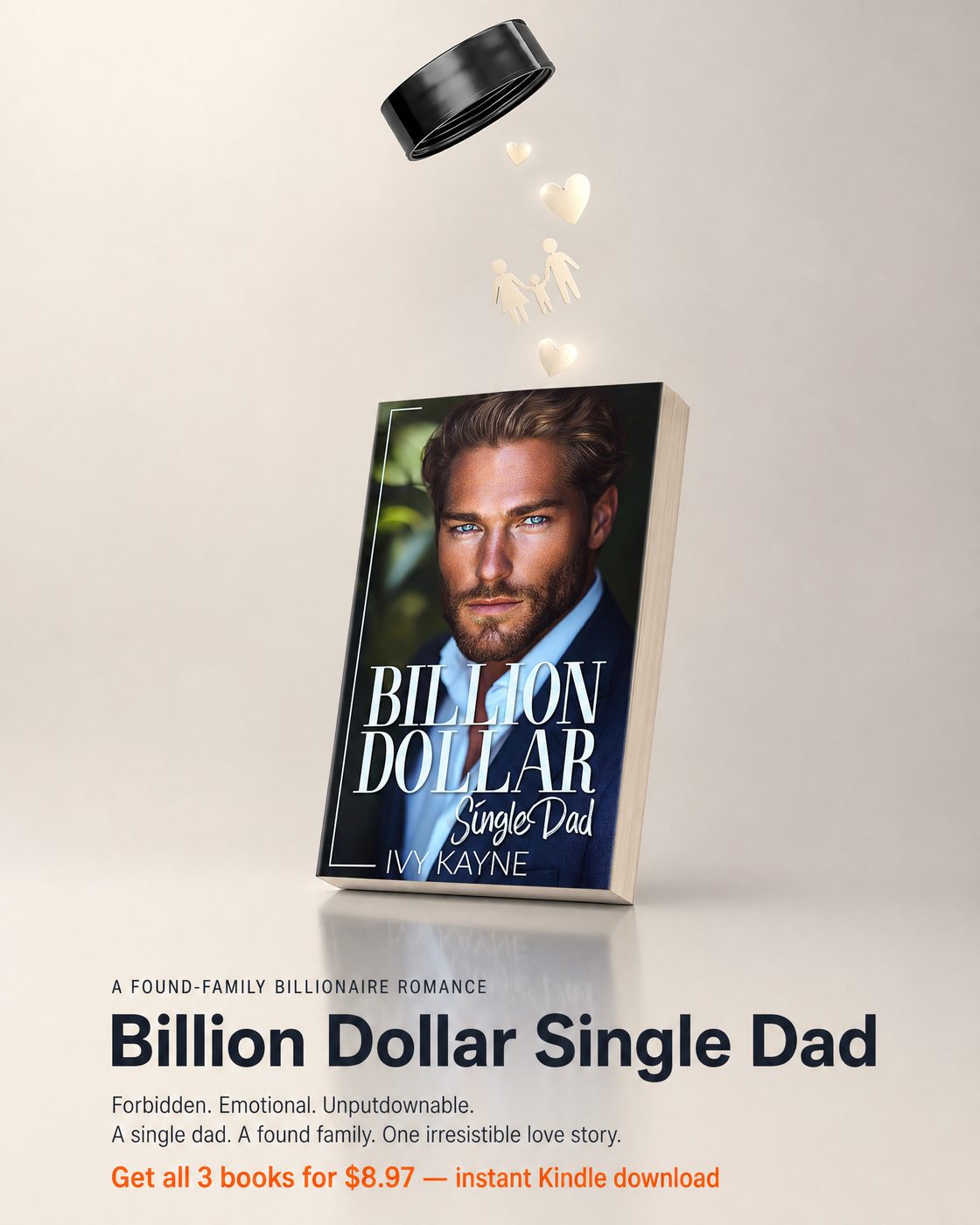
Book Ad Pack reads your actual manuscript and cover, then builds the whole creative chain — the assets you take to Meta, Amazon and TikTok. Seven pieces, one job each, so no link in the chain is missing.
These are examples of our own in-house work, built by the same pipeline a paying author gets. We do not use a paying author's book as a public demo without asking first.
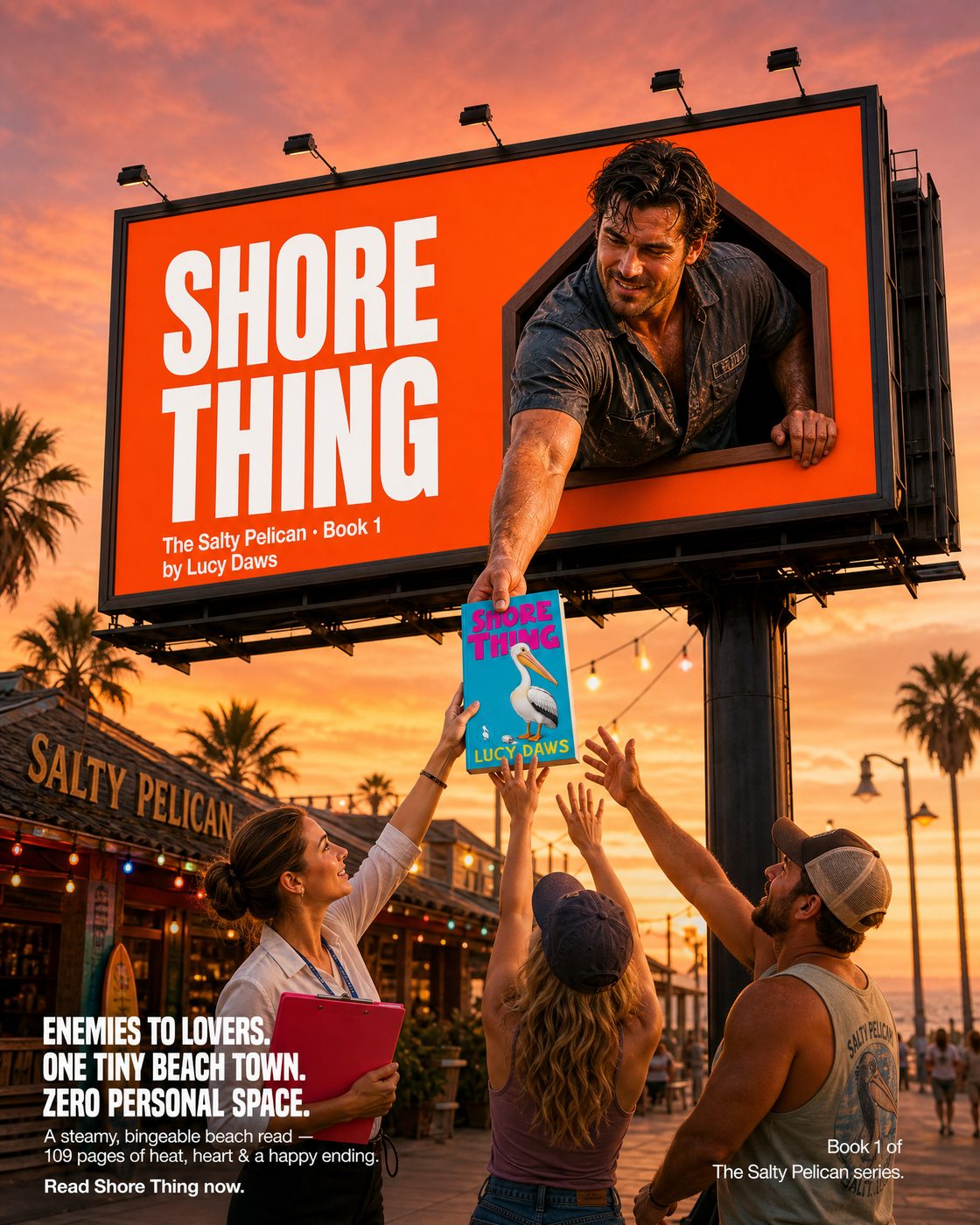
Want the full walk-through by genre? Open a real campaign, asset by asset:
A contemporary romance campaign end to end — on-book stills, a book trailer, Meta ad copy and Amazon A+ content.
See the romance campaign →A mafia romance campaign that sells obsession the way readers actually search — hooks, copy and character chat.
See the dark romance campaign →A 20th-century novel with period-true ad images and A+ content that keeps the era on the page.
See the historical campaign →You don't need an agency or a design team to advertise a book well. You need creative that fits the book and the channel. Here is the short path.
There is no single best way: Amazon ads reach shoppers already on Amazon and Meta ads reach people on Facebook and Instagram, so the right mix depends on where your readers are. Whichever you choose, each ad needs creative made for the placement and a book page that keeps the promise the ad made.
Book advertising has three costs: the platform, anyone who manages the campaign, and the creative. Amazon says there is no up-front charge for a Sponsored Products ad and you pay when a shopper clicks; Reedsy's page says advertisers there typically charge $500–$1,000 per advertising platform per month on top of ad spend; BookBaby's page lists a one-time $199 campaign development fee plus 15% of your ad budget; and Book Ad Pack prices creative in credits at 1 credit = $1, with a base pack of four on-book images plus core ad copy at 8 credits.
Amazon's author guide describes two ad types: Sponsored Products, which may put your book in front of readers searching for similar books, and Sponsored Brands, for authors with three or more unique eligible titles. Both are cost-per-click, so you set a budget and pay only when a shopper clicks. Full guide: Amazon ads for authors.
Hire a book advertiser if you want someone else to build and run the campaigns; run them yourself if you will set the budget and want to keep the creative. Book Ad Pack is the second route: it builds the images, copy and video, and you run the ads from your own accounts.
Check the chain in order: is the ad approved and running, does the image show your book clearly, does the hook promise what the book delivers, and does the page behind the click keep that promise? Fix the weakest link before you raise the budget.
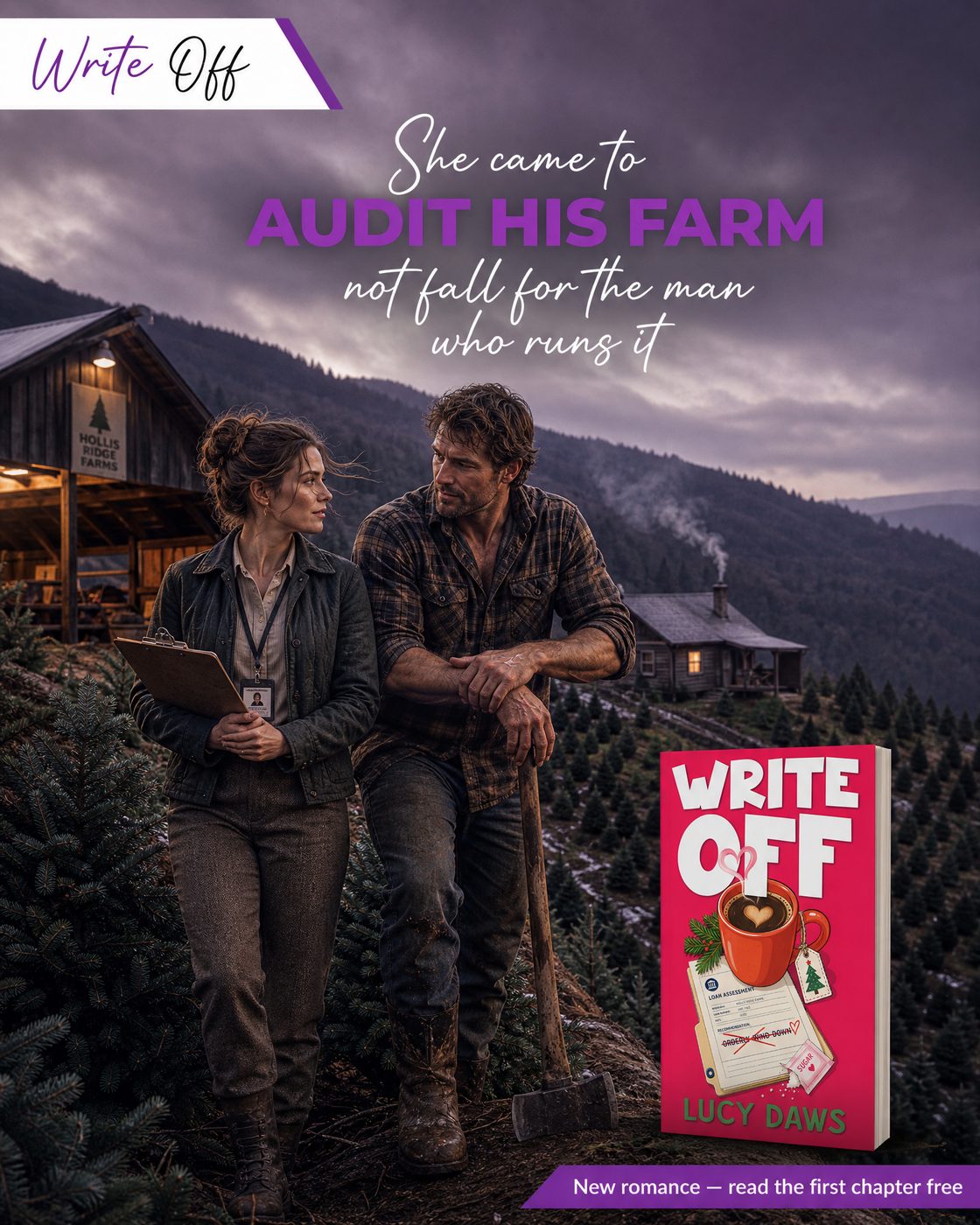
Real. These are examples of our own in-house work, built by the Book Ad Pack pipeline from a manuscript and cover. We do not use a paying author's book as a public demo without asking first.
Start at the intake page: tell us your book and genre, upload your manuscript or paste your Amazon link, and we'll read the book and show you what we'd build for it before you commit to anything.
The anatomy of a book ad, three formats, and real examples.
Read the guide →The setup sequence and the launch-week timeline.
Read the guide →Your three routes to a trailer, what each costs, and a real example.
Read the guide →The real 2026 price bands, what each buys, and the pay-per-deliverable alternative.
Read the guide →Free mockup options, done right — and the upgrade to on-book ad images.
Read the guide →Instagram sizes and formats, and posts built from your actual book.
Read the guide →Book Ad Pack is not a template library. Its creative is generated from your manuscript (or your book’s listing where none is supplied), and its ad copy is scored against reader-demand data that we build and count ourselves. The database behind it holds 5,338 reader personas (profiles built from real Goodreads reviews and Reddit posts) and 975,962 dated Amazon snapshots of sales rank, chart position or price. The pipeline has delivered 10 paid customer orders (test, complimentary and free-credit orders are not counted), including 52 ad creatives and 17 videos. Counts are live table counts taken 9 October 2026; each one is re-counted daily, so a figure can fall when a corpus is rebuilt. Compared with Reddit and Reedsy: Reddit gives you anecdotes; Reedsy gives you a marketplace of freelancers. The numbers above are table counts from our own database, not anecdotes. See how we compare with Canva, Placeit and BookBrush.
Upload the manuscript or paste your Amazon link — we read the actual book, then show you the plan.