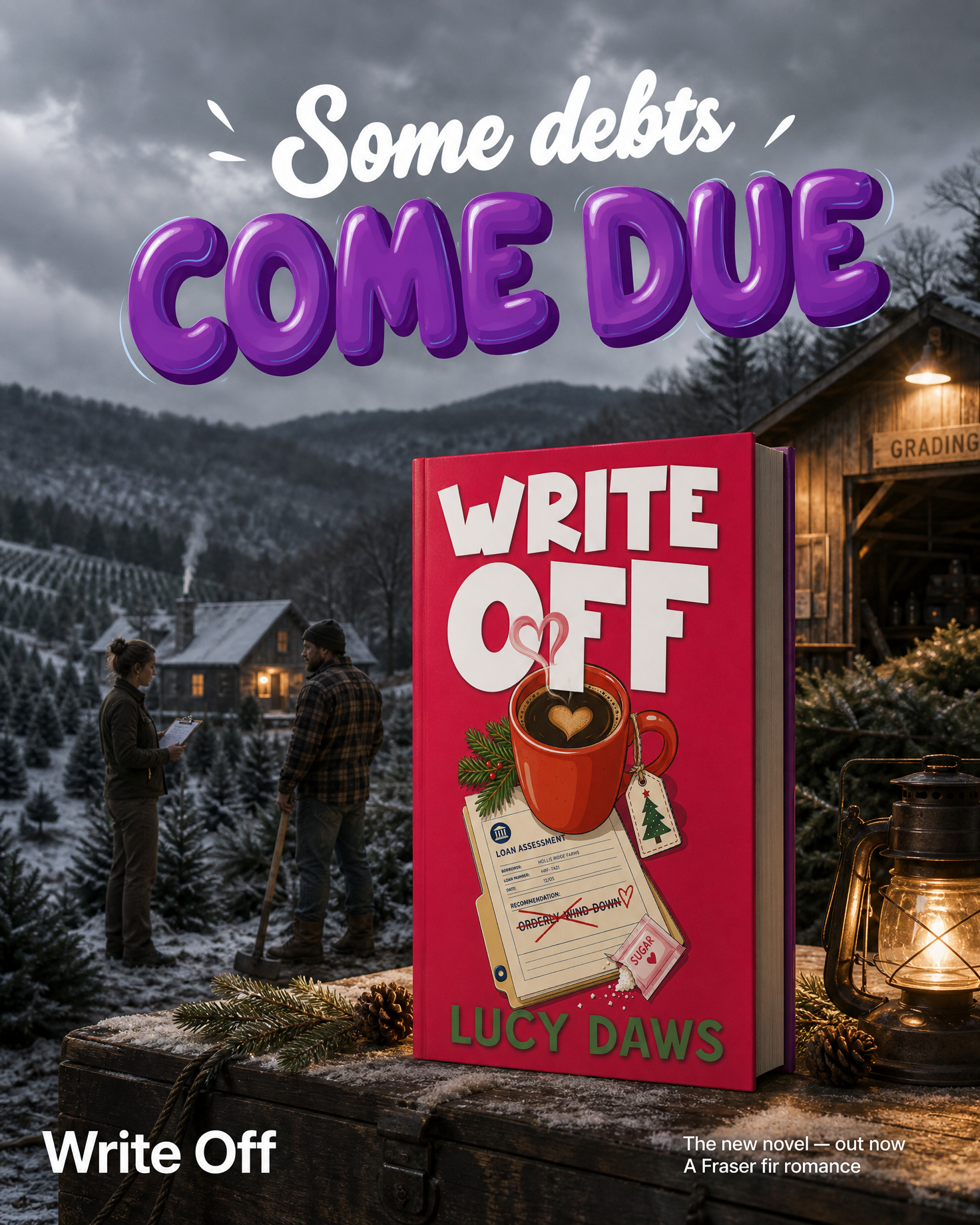
The short answer: a selling title does five jobs — it signals the genre, promises an emotion, is easy to say and search, isn't already taken by a well-known book in your category, and fits on a thumbnail. Most weak titles fail the first test: they sound like the book the author wanted to write rather than the one readers are looking for. Below is the method — the five tests, Amazon's rules, how to generate a real shortlist (title generators included), and how to test it with readers before the cover is paid for.
A reader meets your title as 12-point text under a thumbnail in a row of eight other books. Run every candidate through these five, in order:
Amazon's metadata guidelines are enforced at publication and on later review, and a title violation can block a listing. The rules that bite self-publishers:
The title field takes up to 200 characters (title plus subtitle). Series name and volume number go in their own fields, not in the title. A title on the cover must match the title in the metadata.
You can't pad the title with search terms (“Billionaire Romance Enemies to Lovers Small Town Book 1”). Amazon treats this as a metadata violation. Keywords belong in the seven backend keyword slots and the subtitle, used honestly.
Words like “free”, “bestselling”, “#1”, “on sale”, and references to other authors or brands are prohibited in the title and subtitle. So is “Kindle” or “ebook”. Amazon will remove them or suppress the book.
For non-fiction, the subtitle is where the promise goes: Atomic Habits: An Easy & Proven Way to Build Good Habits & Break Bad Ones. For fiction, a subtitle is usually a trope or series signal (A Small-Town Second-Chance Romance), and it's searchable without stuffing the title.
Pull phrases from the manuscript: a line of dialogue, a recurring object, the setting, the central bargain. Add the pattern titles your category uses (The [Noun] of [Place], [Name]'s [Secret]). Title generators — the free ones from Reedsy, Kindlepreneur and similar — are fine for this stage; they produce patterns, not taste. Aim for quantity.
Cut anything that fails genre signal or is taken by a category bestseller. You'll usually be left with five to eight. Mock each one up on a plain cover template at thumbnail size — 100 px wide — and delete the ones you can't read.
Friends vote for the clever one. Readers click the clear one. Post two or three finalists to a genre reader group with a one-line premise and ask which they'd pick up, or run a cheap poll ad to a cold audience. Pick the title readers choose, and let the cover designer build around it.
One more test: write the ad. A title that's hard to put in a Facebook headline or a 15-second scene video is hard to sell. The title, the cover and the first line of the ad are one piece of work — which is why we generate ad creative from the manuscript itself: if the story's strongest scene and the title point in different directions, the ad tells you before the launch does.
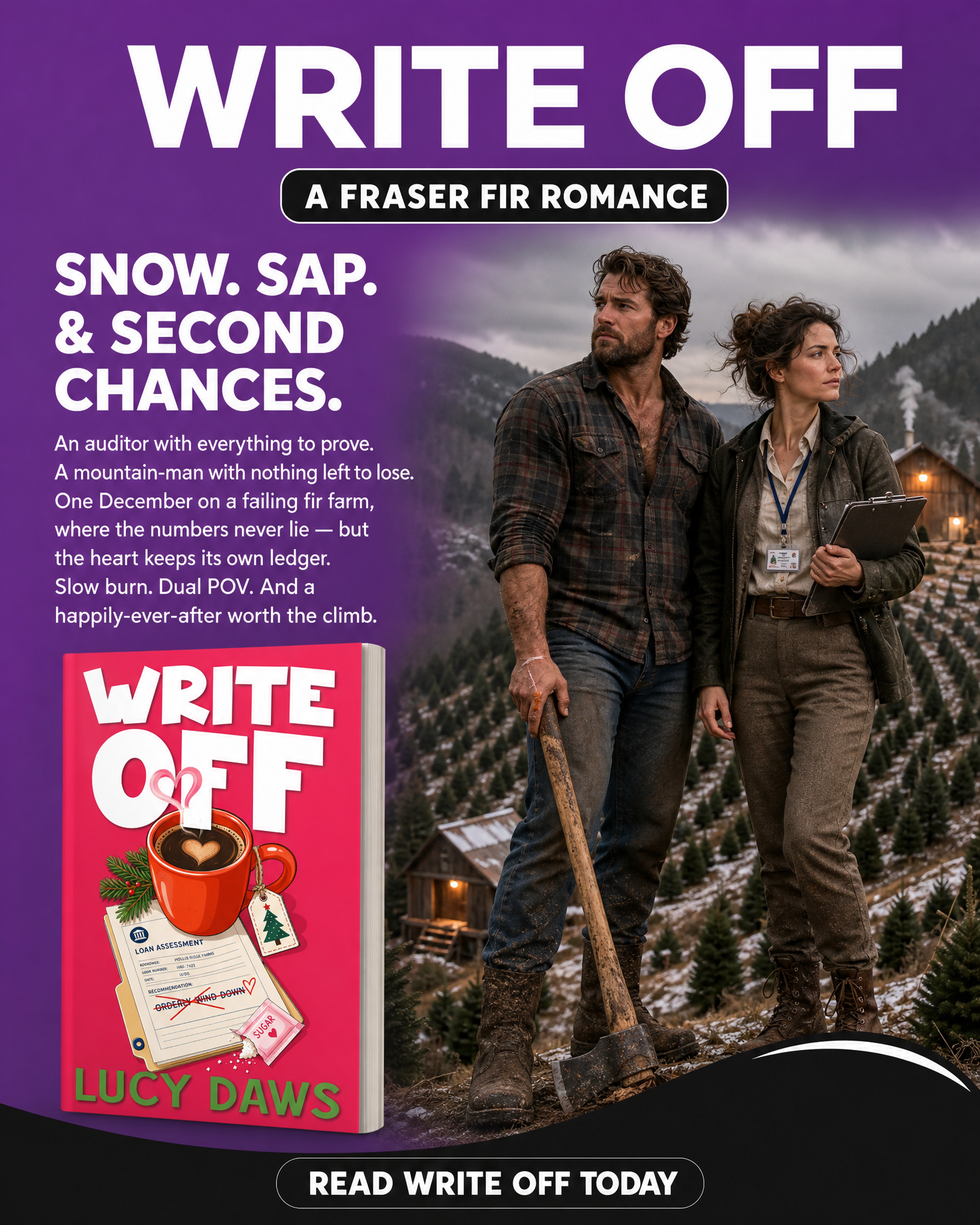
Run candidates through five tests: does it signal the genre, promise the emotion readers buy the genre for, stay easy to say and search, avoid clashing with a bestseller in your category, and stay readable at thumbnail size? Generate thirty candidates from the manuscript and from your category’s title patterns, cut to five with the tests, then let strangers in a genre reader group pick the winner.
Yes — titles are not protected by copyright, so duplicates are legal (trademark is a separate, rare exception for series brands). The practical problem is search: if a well-known book in your category already has the title, readers searching for it will find that book instead of yours. Search Amazon and Goodreads for the exact phrase before committing.
Fiction titles usually run two to five words so they stay readable on a 100-pixel-wide thumbnail. Non-fiction can be short with a longer, promise-carrying subtitle. Amazon allows up to 200 characters for title plus subtitle, but what fits on the cover at thumbnail size is the real limit.
They are useful for the first step — producing patterns and volume — and useless for the last. Generators don’t know your genre’s conventions, what’s already on the shelf, or what your story’s strongest image is. Use them to add to a list of thirty candidates drawn from the manuscript, then do the testing yourself.
Amazon prohibits promotional and claim words in titles and subtitles — “free”, “bestselling”, “#1”, “on sale”, “new”, references to other authors or brands, and format words like “Kindle” or “ebook” — and treats keyword stuffing (stringing search terms together) as a metadata violation. Series name and number belong in their own fields, and the cover title must match the metadata title.
What ad creative built from the manuscript looks like — and why the title and the ad are one job.
Read the guide →Sponsored Products, keywords and ACOS, and why the product page has to keep the title’s promise.
Read the guide →The 90-day plan, from title and cover lock to launch week and the long tail.
Read the guide →Upload the manuscript or paste your Amazon link — we read the actual book, then show you the scene video, on-book images and ad copy built from it.