Fair questions
Amazon ads, asked often.
How do Amazon ads for authors work?
You set a budget and Amazon shows your book to shoppers: Sponsored Products ads may appear in shopping results and on product pages, and Sponsored Brands ads let authors with three or more titles feature a collection of books or their author story. Both are cost-per-click, so you pay only when a shopper clicks.
Who can run Amazon ads for a book?
Your book must be claimed in Author Central and available in the country where you advertise, the ad must meet Amazon's creative requirements and acceptance policies, and the title must meet Amazon's ad policy for books. Sponsored Brands is for authors with three or more unique eligible titles under the same author name, and Amazon lists it for authors in the US, UK, Germany, France, Italy and Spain.
How much do Amazon ads for authors cost?
Amazon says there is no up-front charge for a Sponsored Products ad: the author sets a budget and pays only when a shopper clicks. KDP's help adds that adding a payment method can show a temporary $50 pre-authorization hold, which is not charged. Your total cost is the clicks you buy plus the creative behind them; Book Ad Pack prices creative in credits at 1 credit = $1, with a base pack of four on-book images plus core ad copy at 8 credits.
What is ACOS?
ACOS is Amazon's advertising cost of sales: ad spend divided by ad revenue, multiplied by 100. It counts ad spend against ad revenue only, so judge it against your own margins and any series sales that follow.
How long does Amazon take to approve a book ad?
Amazon says every ad goes through a review and approval process that typically takes 24 hours but could take up to three business days, so start early. If you expect sales to rise around a date, it recommends ramping up early and running campaigns for at least four to six weeks.
Why are my Amazon ads not selling?
Check in order: is the ad approved and running, do your keywords and titles match what readers search, and do your cover and book page keep the promise the ad makes? Amazon provides reports for Sponsored Products and Sponsored Brands that show how each ad is performing.
What is A+ Content for books?
KDP says A+ Content lets you add images, text and comparison tables to your Amazon detail page. It is located under the From the Publisher section, the exact location varies, and most readers need to scroll to see it. Book Ad Pack builds A+ header, banner and tile images at Amazon's module sizes.
Does Amazon make the images for book ads?
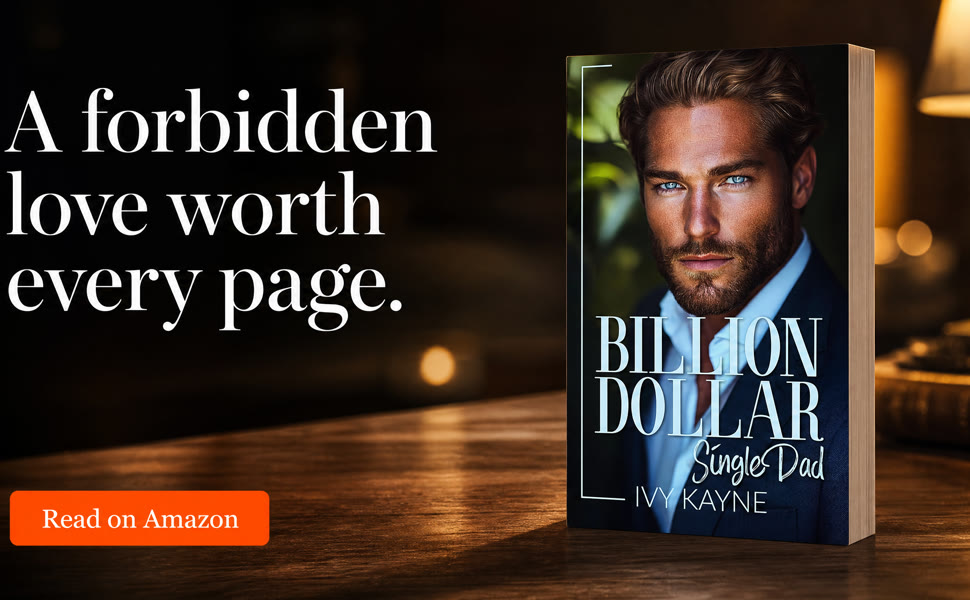
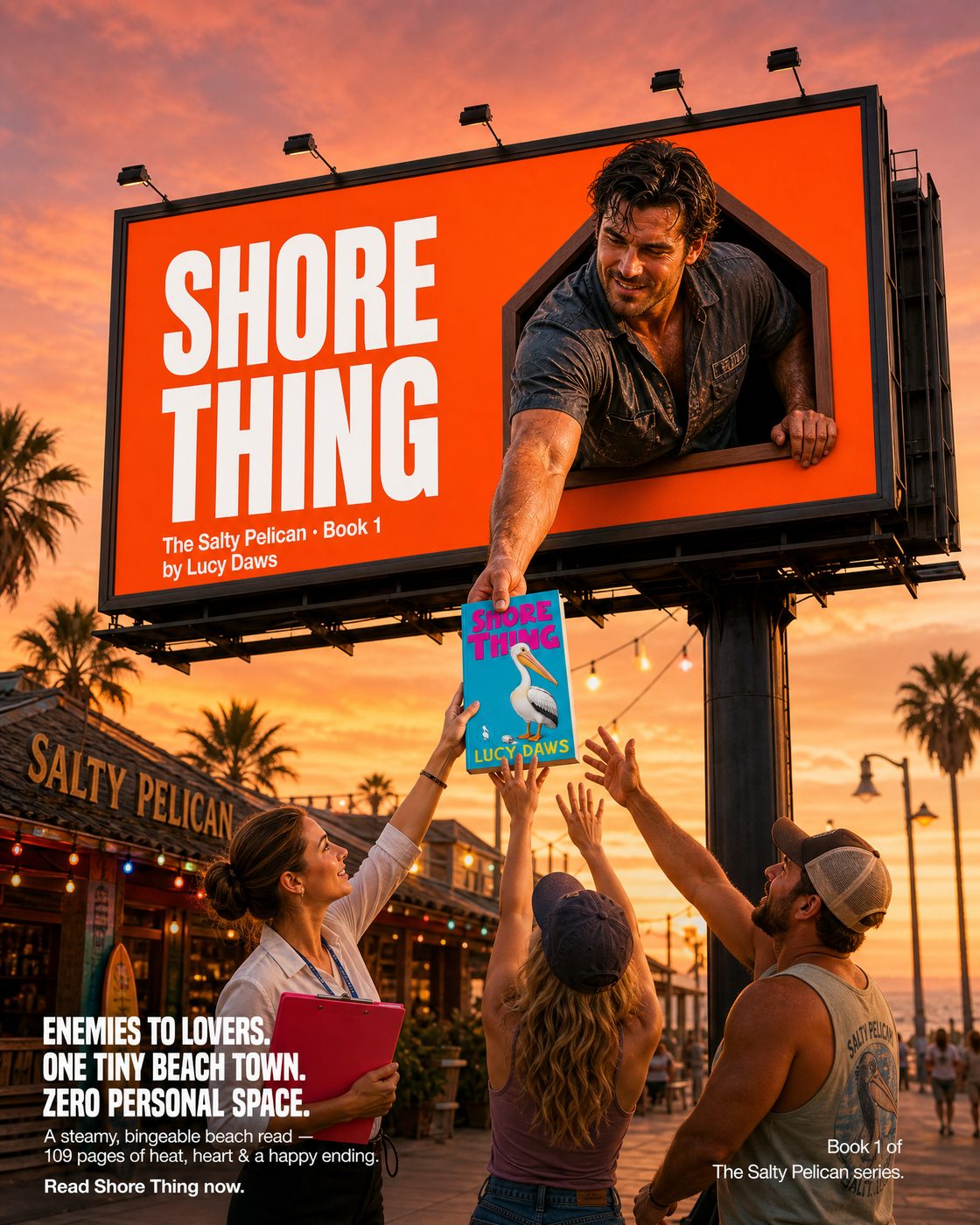
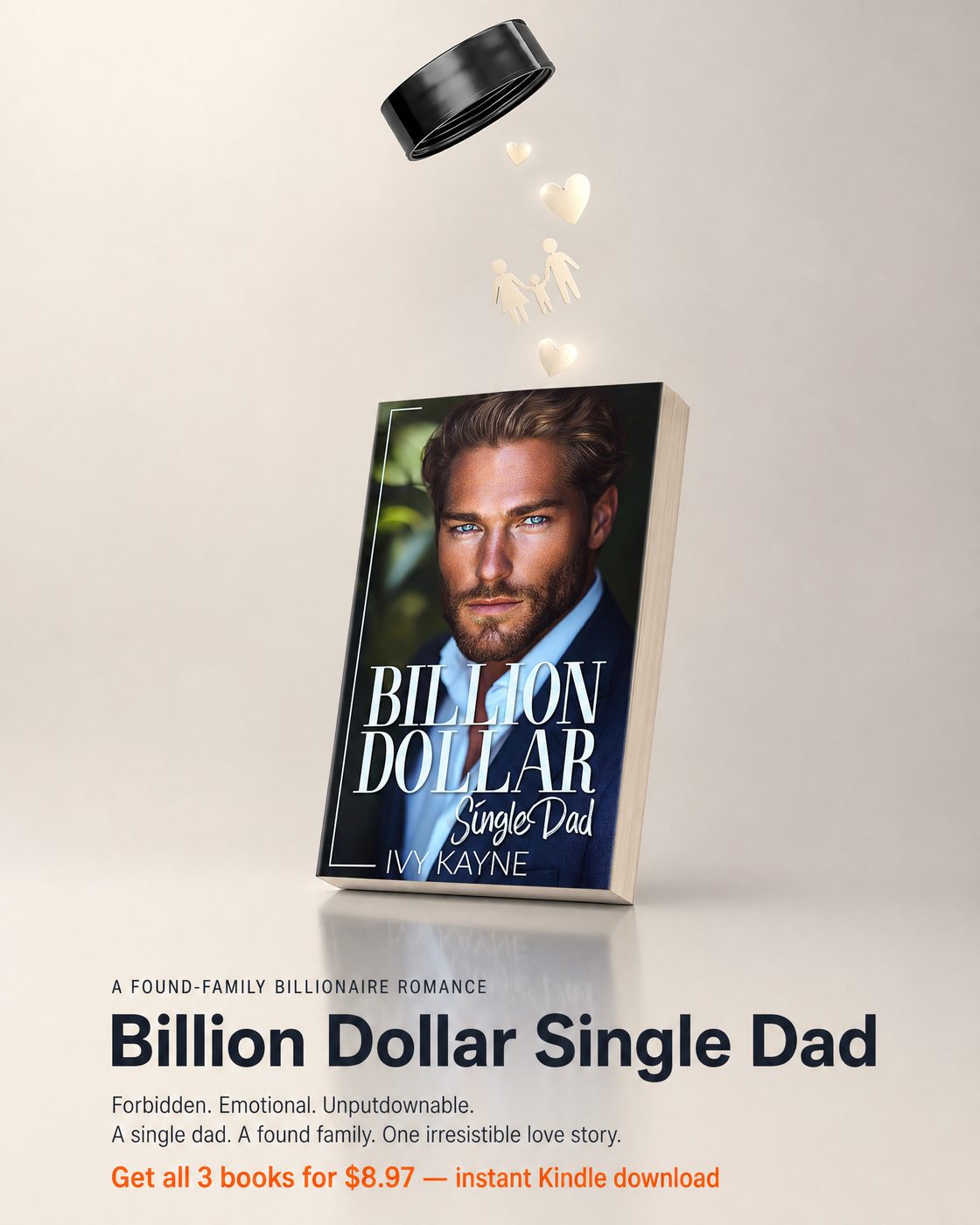
KDP's help says Sponsored Brands ads can use custom images and video, and that Amazon offers its own image generator, free of charge, if you do not have a custom image. Book Ad Pack is another route: on-book images and scene video built from your manuscript and cover.
How do I get ad creative for my Amazon ads?
Start at the intake page: upload your manuscript or paste your Amazon link, and Book Ad Pack reads the book and shows you the on-book images, ad copy and A+ content it would build before you commit to anything.