Amazon Ads Keywords for Books: How to Find, Match and Prune Them
The keyword half of Amazon ads

Amazon ads keywords for books.

The short answer: start a Sponsored Products campaign with an automatic campaign to harvest search terms, then build a manual campaign of 50–200 keywords from three sources — comparable authors and titles, genre and trope phrases, and the search terms the auto campaign actually converted on. Use phrase and exact match for what you know works, broad sparingly, add negatives weekly, and judge everything by ACOS adjusted for Kindle Unlimited page reads, which the ads dashboard does not count. This page covers the keyword mechanics; the campaign-level guide is Amazon ads for authors.

Vocabulary first

Match types, bids and the numbers that matter.

Broad matchYour keyword plus synonyms, plurals, and related searches in any order. “enemies to lovers romance” can show for “hate to love romance novel”. Most reach, least control. Use it for discovery, with a low bid.
Phrase matchYour keyword as a phrase, in order, with words before or after. “small town romance” shows for “best small town romance books” but not “romance small town”. The workhorse for book campaigns.
Exact matchThe keyword alone, or with close variants (plurals, misspellings). Least reach, most control, usually the best ACOS. Move proven phrase-match winners into exact.
BidsAmazon's minimum Sponsored Products bid is a few cents; book keywords commonly clear at roughly $0.30 to $1.00 per click in competitive US romance and thriller categories, less in quieter niches. Start near Amazon's suggested bid and adjust weekly from results, not guesses.
ACOSAdvertising cost of sale = ad spend ÷ attributed sales, as a percentage. A 70% royalty ebook breaks even on paid sales at roughly 70% ACOS — and that is before Kindle Unlimited reads, which the dashboard does not attribute. Many KU authors therefore tolerate a reported ACOS above 100% and judge by total royalties moving, not the dashboard number alone.
LimitsUp to 1,000 keywords per ad group. Daily budgets start at $1. The ads console reports with a lag of up to a few days, so never judge a keyword on a single day's data.
Harvesting

Where good book keywords come from.

1

Comp authors and titles

Readers search for authors they already love far more than for genres. List 20–40 authors whose readers would like your book — the names on your “customers also bought” row and the bestseller list for your sub-category — and add each author name and each of their notable titles as phrase match. This is usually the largest and best-converting keyword group for fiction.

2

Genre, trope and reader-language phrases

“cozy mystery series”, “grumpy sunshine romance”, “space opera box set”, “clean historical romance”. Harvest from your sub-category names, from the hashtags your readers actually use, and from the seven KDP backend keyword slots you already chose. Twenty to fifty of these, phrase match.

3

The auto campaign's search-term report

Run an automatic campaign at a modest daily budget for two to four weeks. Download its search-term report: every real query that produced a click or sale. Promote the converters into your manual campaign as exact match; add the wasted ones as negatives. Repeat monthly. This is the only source that tells you what Amazon's shoppers actually typed.

What not to do: don't paste a 1,000-keyword list of every romance word you can think of — untargeted breadth burns budget on low-relevance impressions and drags the campaign's relevance down. Don't bid on your own name or title at more than a token bid. Don't target mega-authors whose readers won't cross to a debut unless the sub-genre matches exactly.

Maintenance

The weekly pruning routine.

Negative keywords

Add as negative phrase any search term that spent without converting for two weeks or that's clearly the wrong reader (“free”, “pdf”, a different genre, a non-book product). Negatives are the cheapest optimisation in Amazon ads and almost nobody maintains them.

Bid adjustments

Keyword clearing at a good ACOS with few impressions → raise the bid 10–20% to buy more. Keyword with many clicks and no sales → lower the bid or pause. Make small moves weekly; big moves reset what you've learned.

Promote and graduate

Phrase-match winners move to exact match in their own ad group with a higher bid. Auto-campaign converters move to manual. Over three months the account tightens into a short list of exact keywords doing most of the selling.

Fix the page, not just the keyword

If keywords get clicks but no sales, the keyword isn't the problem — the product page is. Cover, first lines of the blurb, price, reviews and A+ content decide whether a click becomes a sale. Fix conversion before you buy more traffic.
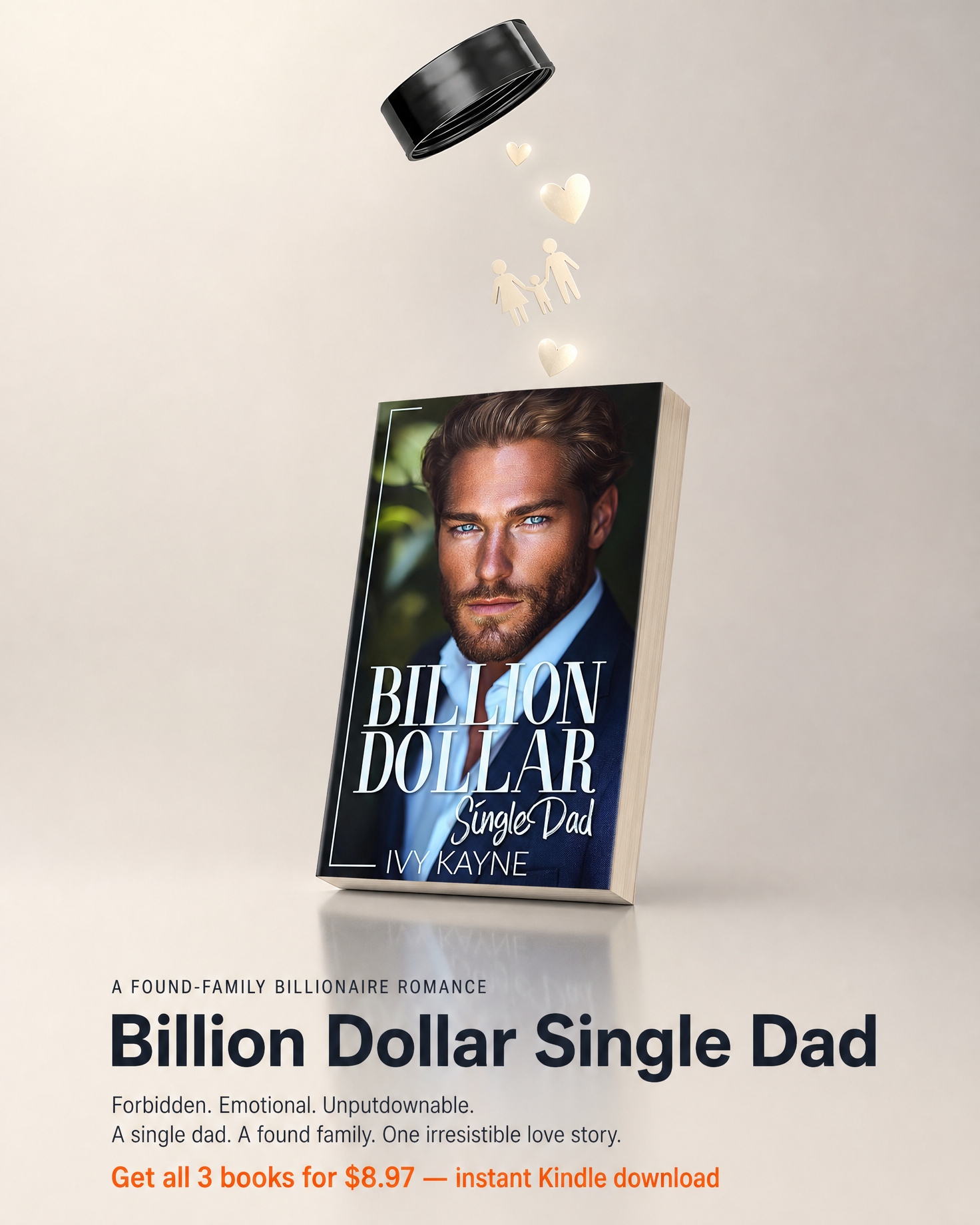
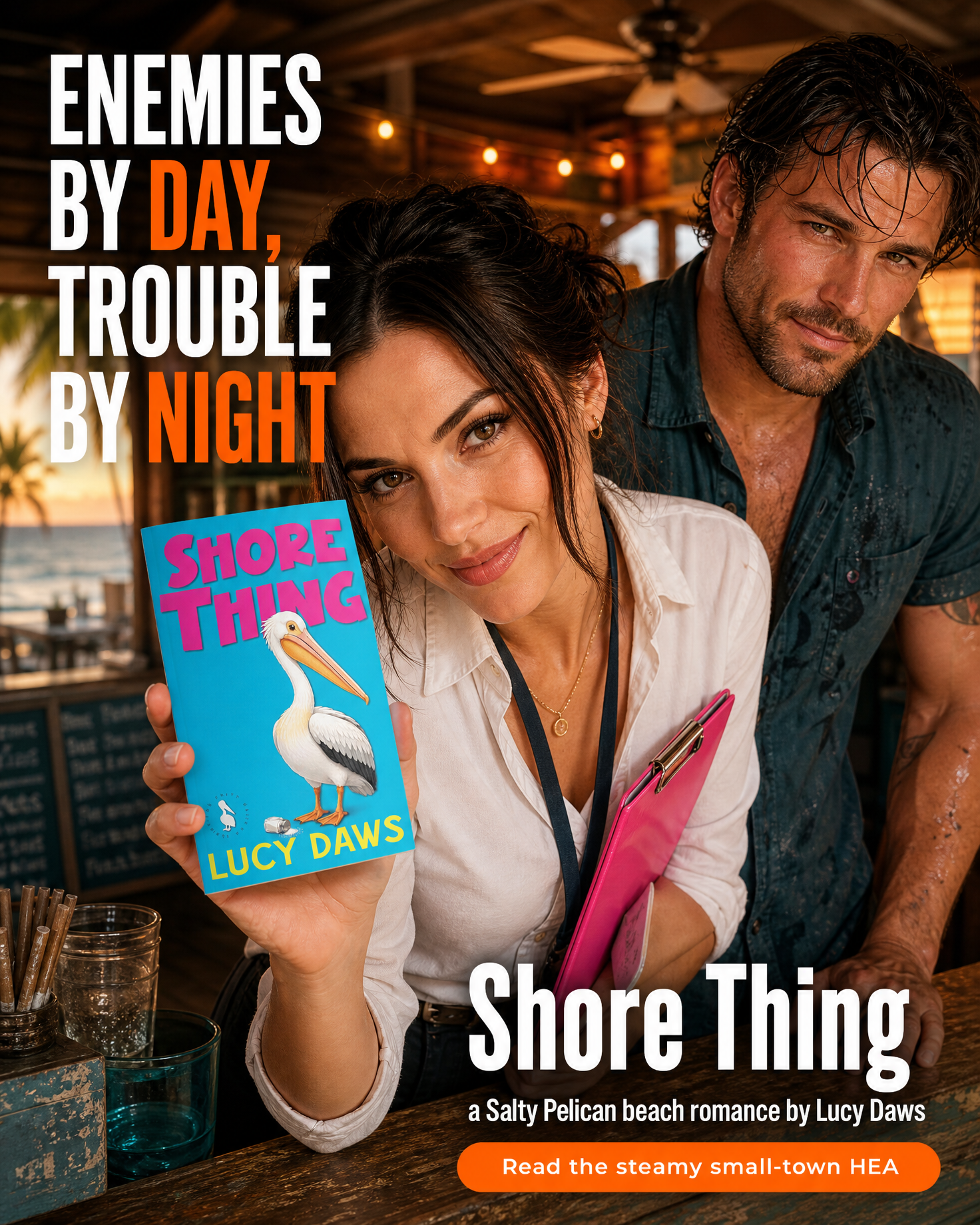
Custom image for an Amazon Sponsored Brands ad — on-book creative generated from the manuscript On-book ad image suitable for Amazon Sponsored Brands custom image
Keywords decide who sees the ad; creative decides who clicks. Sponsored Brands accepts a custom image — these are on-book images from one of our pen-name titles, built from the manuscript rather than a stock scene.
Fair questions

Amazon keywords, asked often.

How many keywords should I use for Amazon book ads?

Start a manual campaign with 50 to 200 well-chosen keywords — comparable authors and titles, genre and trope phrases, and proven search terms from an automatic campaign — rather than a 1,000-keyword dump. Amazon allows up to 1,000 keywords per ad group, but untargeted breadth spends budget on irrelevant impressions. Over time the account narrows to a short list of exact-match winners.

What is a good ACOS for a book?

For a 70%-royalty ebook, an ACOS around 70% is roughly break-even on the paid sale itself; below that is profitable. Kindle Unlimited authors often accept a reported ACOS above 100% because the ads dashboard does not attribute KU page reads or series read-through, so they judge by total royalties moving rather than the dashboard figure alone. Paperbacks and wide (non-KU) books need a lower ACOS to break even.

Should I use broad, phrase or exact match for book keywords?

Phrase match is the workhorse for books: it keeps the meaning but allows surrounding words. Use exact match for proven winners at a higher bid, and broad match sparingly at a low bid for discovery. Move keywords from broad to phrase to exact as they prove themselves, and add negatives for what wastes spend.

Can I target other authors’ names as keywords on Amazon ads?

Yes — bidding on author names and book titles as keywords is allowed and is usually the best-converting keyword group for fiction, because readers search for authors they already love. What you cannot do is use another author’s name in your ad copy, title or metadata. Pick authors whose readers genuinely overlap with your sub-genre.

Where do I find keywords for my book’s Amazon ads?

Three sources: the authors and titles on your book’s “customers also bought” row and your sub-category bestseller list; the genre, trope and reader-language phrases from category names, hashtags and your KDP backend keywords; and the search-term report from an automatic campaign, which shows the real queries that produced clicks and sales. The auto campaign is the only source that tells you what shoppers actually typed.

Keep reading

More on selling your book.

Your book next

Give your keywords something to sell.

Upload the manuscript or paste your Amazon link — we read the actual book, then show you the A+ modules, on-book images and ad copy it can become.