Facebook Ads for a Book Launch: Setup, Step by Step
The launch playbook

Facebook ads for a book launch, step by step.

Setting up Facebook ads for a book launch takes one honest evening: a Meta business setup, one campaign with the right objective, an audience built from your comp authors, a $5–10 daily budget — and creative that looks like your book. Here is the exact sequence, the launch-week timeline, and the part most guides skip: where the creative comes from.

Before you build

Four things to have ready first.

A Facebook Page + InstagramAds run from a Page, not a personal profile. Create an author Page, link your Instagram account to it, and give both a cover-consistent look before a single reader arrives from an ad.
Ads Manager, not BoostSet up Meta Ads Manager under a business portfolio. The blue "Boost post" button buys engagement, not readers — every serious setting on this page lives in Ads Manager only.
A destination decisionAmazon page, or your own site? Linking straight to Amazon is simplest — but Meta can't see what happens after the click, so you'll optimise for clicks and watch sales rank instead. Your own landing page gives cleaner data; it adds a step for the reader. Either works; decide before you build.
The creative kitAt minimum: one 1080×1350 image, one 9:16 video under 30 seconds, two headline options and two primary-text options — made before launch week, not during it. This is the step that decides the campaign; see below.
The setup

The six-step build.

Create the campaign — choose the objective
In Ads Manager, create a campaign. Sending readers to Amazon? Choose Traffic (optimise for landing-page views). Selling from your own site with the pixel installed? Choose Sales. Don't pick Awareness — you want clicks you can count.
Build the audience from your comp authors
At the ad-set level, target interests: the established authors your readers already buy, plus genre terms. Keep it broad-ish — Meta's delivery works best with room to learn. Advantage+ audience with your interests as a starting signal is a sane default in 2026.
Set placements
Advantage+ placements is fine to start; if you choose manually, keep Facebook Feed, Instagram Feed and Reels — where your 4:5 image and 9:16 video run native.
Set the budget — small and steady
$5–10 per day per ad set. Resist launch-day maximalism: the first days are Meta's learning phase, and judging an ad in 24 hours teaches you nothing but variance.
Load the creative
One ad with the 1080×1350 image, one with the 9:16 video, each with your headline and primary text. Keep text overlays minimal — the image should look like a book you'd want, not a banner.
Publish, then watch three numbers
CTR (are people clicking? ~1%+ is healthy for fiction), CPC (what a click costs you), and your Amazon sales rank moving on ad days. Kill the weaker creative after a few days, keep the winner, and scale budget slowly — 20–30% at a time.
The calendar

The launch-week timeline.

The week before

Run the teaser: the character chat video or a scene clip at low budget, plus your countdown posts. The goal is recognition — readers who saw the ad this week will know the cover next week.

Budget mood: low and warming.

Launch week

Switch to the buy-now push: on-book image + video ads to your Amazon page, paired with your newsletter send and any promo placements so the traffic spikes together — spikes move sales rank, and rank sells books on its own.

Budget mood: the highest you'll run — still sane.

Weeks two to four

Keep only the winning creative running at maintenance budget. Refresh the tired ad with a new image or hook — this is where per-asset creative pricing pays for itself — and let the also-boughts Amazon has learned do quiet work.

Budget mood: steady, data-led.

The step most authors skip

Before any of this: make sure the Amazon page can close the sale. A+ content and a market-tuned blurb double the value of every click you're about to buy. Fix the destination before paying for traffic — see Amazon ads for authors.

Budget mood: spend here first.
Our real edge

The creative — built from your book.

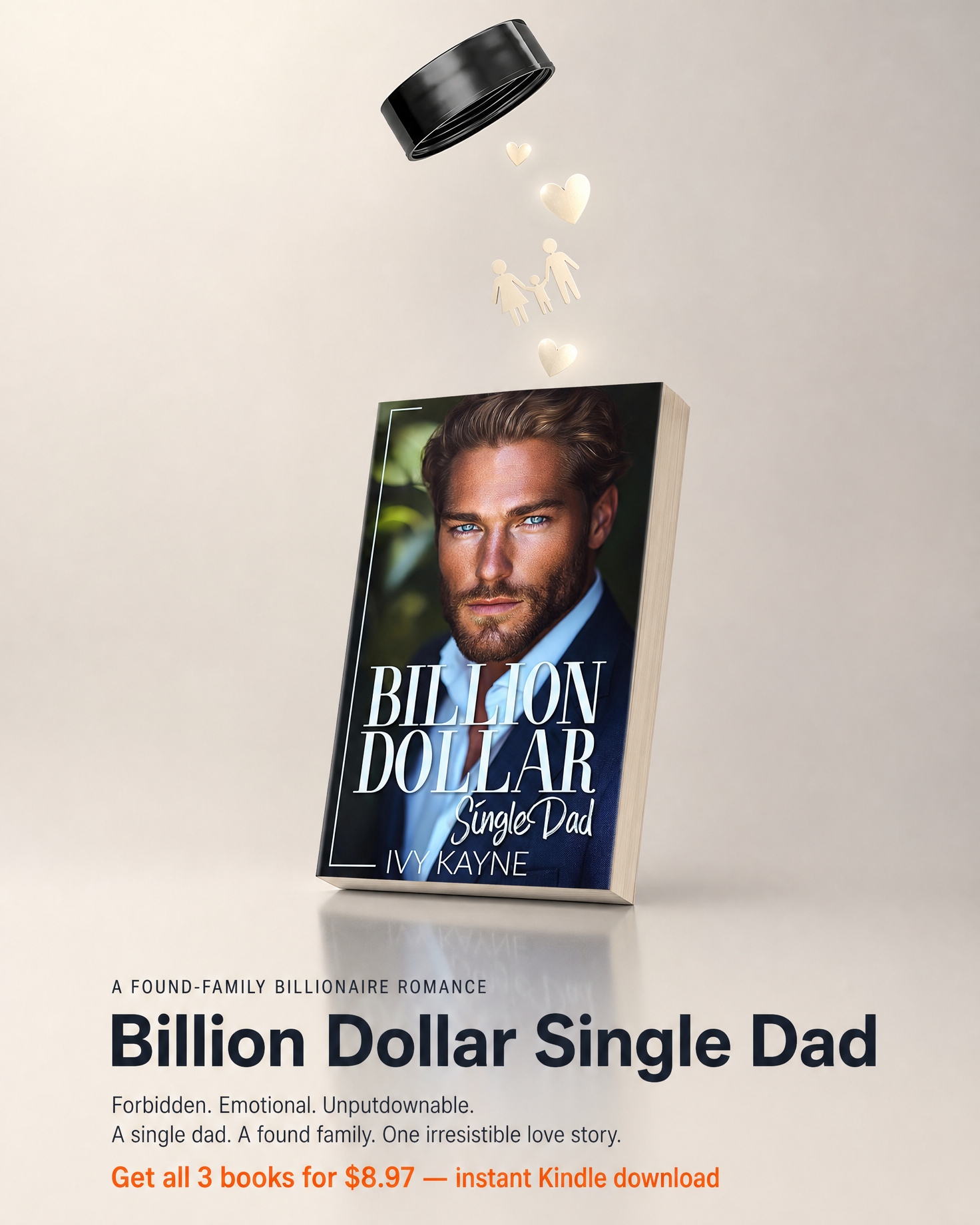
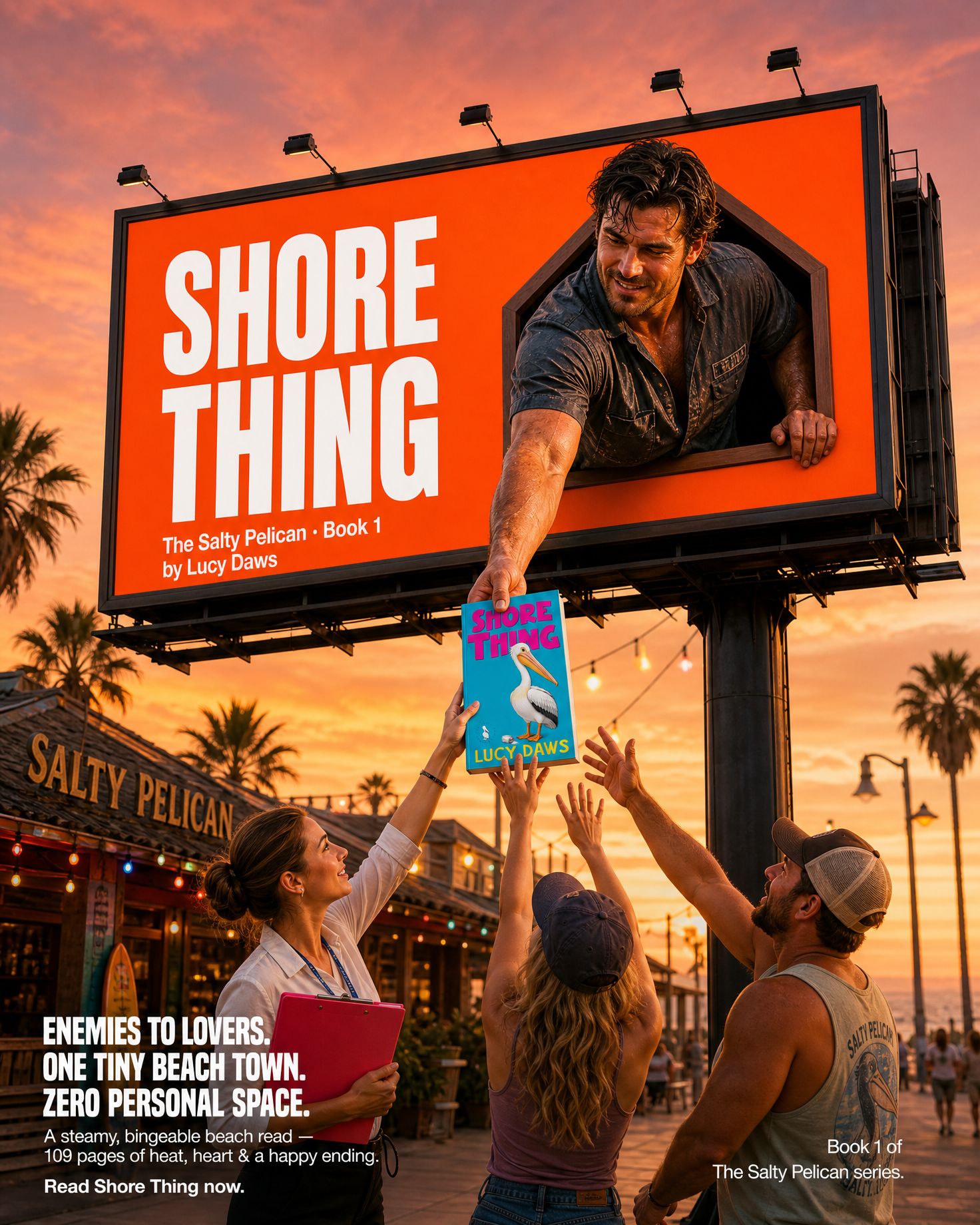
Every step above is mechanics anyone can follow. The variable that actually decides a launch is the creative you load in step five — and that is the part Book Ad Pack generates from your actual manuscript and cover. These are unedited assets from a campaign for one of our own pen-name books:

Facebook ad creative for a book launch — on-book image built from the real cover Facebook book ad example — cover staged in a scene for the launch campaign Instagram feed ad example for a book launch — real cover as the hero
The launch kit an ad set needs: on-book images at feed sizes, ad copy pulled from real scenes, a 9:16 scene video for Reels, and A+ content so the Amazon page closes the click. Every asset from the manuscript — nothing stock. See what makes a book ad sell or walk a full romance campaign.
Fair questions

Launch ads, asked often.

How much should I spend on Facebook ads for a book launch?

Start at $5–10 per day per ad set, raise it for launch week, then drop to a maintenance budget on the winning creative. Total launch-month spends of $150–400 are common for indie fiction — but the right number is the one where a day's spend reliably moves your sales rank.

Do I need the Meta pixel if I link to Amazon?

You can't install a pixel on Amazon's site, so conversion tracking ends at the click. That's fine: optimise for landing-page views, and judge the campaign by CTR, CPC and your sales-rank movement on ad days. If you send traffic to your own site first, install the pixel there and use the Sales objective.

What objective should I choose for book ads?

Traffic (landing-page views) when linking to Amazon; Sales when driving to your own pixel-equipped site. Avoid Awareness and engagement objectives — they buy cheap reactions from people who rarely click, let alone buy.

What creative works best for a book launch?

A pair: one on-book image at 1080×1350 built from your real cover, and one 9:16 video under 30 seconds — a scene or character moment, not a slideshow. Test two hooks, keep the winner, refresh when it tires. Creative decides launches; targeting only aims them.

When should I start ads before my launch?

About a week out. A low-budget teaser week builds cover recognition, so launch-week ads land on readers who have already seen the book once — recognition is most of what a feed click is.

Why this comes from real data

Book Ad Pack is not a template library. Every pack is generated from the manuscript itself and checked against a reader-demand database we build and count ourselves: 725,746 hook mentions pulled from reader reviews, 5,344 reader personas, and 271,339 Amazon rank and price snapshots. The pipeline has built 76 complete packs across 13 subgenres, 53 of them on paid orders, including 255 ad creatives and 64 scene videos. Counts are live table counts taken 25 August 2026; they go up, not down. Compared with running the ads yourself in Meta Ads Manager, or booking a promo through BookBub or Freebooksy: those place the ad or the deal, and they do it well. None of them makes the creative, because none of them has read your book. That is the one thing we do. See how we compare with Canva and Placeit.

Your book next

The launch creative, from your manuscript.

Upload the manuscript or paste your Amazon link — we read the actual book, then show you the plan.