BookBrush Alternatives: An Honest Comparison for Authors (2026)
The honest comparison

BookBrush alternatives, compared fairly.

The short answer: BookBrush is a good author-specific design tool — its 3D cover mockups, box-set renders and template library are the reason most indie authors try it, and for those jobs it is hard to beat at its price. The alternatives fall into three groups: general design tools (Canva, Adobe Express) that do more but know nothing about books; mockup specialists (Placeit, free generators) that do one job; and manuscript-driven generation (Book Ad Pack), which starts from the story rather than a template. Which one fits depends on whether your bottleneck is assembling graphics or having something real to put in them.

Start fair

What BookBrush does well.

Any alternatives page that trashes the incumbent isn't worth your time. BookBrush earns its place:

3D cover mockups and box setsUpload a flat cover, get a paperback, hardcover, Kindle, phone or multi-book box-set render in a minute. This is the feature authors come for, and it's the best in-class option for it.
Author-specific templatesThousands of templates sized for Instagram, Facebook, BookBub and Amazon ads, built around book covers rather than coffee shops. Far less fiddling than a general tool.
Animated templates and videoShort animated posts and cover reveals from a template — enough for a Reel without learning an editor.
PricePaid plans have commonly run in the region of $8 to $20 a month on annual billing, with a limited free tier. Cheaper than a single freelance graphic.

Where it stops: BookBrush is a template and mockup engine. It doesn't know what's in your book. The scene behind the cover, the character art, the hook line, the video of the moment readers would buy for — those are still yours to source, which is why a lot of BookBrush output ends up as the same stock backgrounds behind different covers.

The alternatives

Five options, and what each is for.

Canva

Best for: everything-in-one DIY. Free tier is generous; Pro has commonly run about $15 a month (or less billed annually) and adds brand kits, background removal and a large stock library. Book-mockup frames exist but are thinner than BookBrush's. You'll spend more time, and the book-specific shortcuts aren't there — but if you already design your newsletters and ads in Canva, it's one fewer subscription.

Adobe Express

Best for: authors already in the Adobe ecosystem or who want Firefly generative fill inside their graphics. Comparable to Canva in scope, lighter on author-specific templates. Free tier exists; premium is priced in the same band as Canva Pro.

Placeit (by Envato)

Best for: realistic, photo-based mockups — a book held in a hand, on a desk, in a shop. Large library, professional results, priced as a subscription or per-download. No ad-copy, no video from your story, no author templates; it's a mockup specialist.

Free mockup generators

Best for: a single cover render with no budget. DIY Book Covers, Mockup World, Smartmockups' free tier and similar produce a watermark-free 3D book in a few clicks. Limited angles and scenes; fine for a Goodreads banner, thin for a campaign. See the free book mockup generators compared.

Book Ad Pack

Best for: authors whose problem isn't assembling graphics but having something from the actual book to put in them. We read the manuscript and generate the creative from it — on-book images with the cover staged in the story's own settings, short scene video, character art, ad copy and hooks taken from real scenes, and Amazon A+ modules — delivered as a pack you post and run from your own accounts. It isn't a template editor: you can't drag elements around, and it's a per-book pack rather than a monthly design subscription (see packages and pricing). Many authors use both: BookBrush for quick mockups and box sets, a pack for the launch creative.

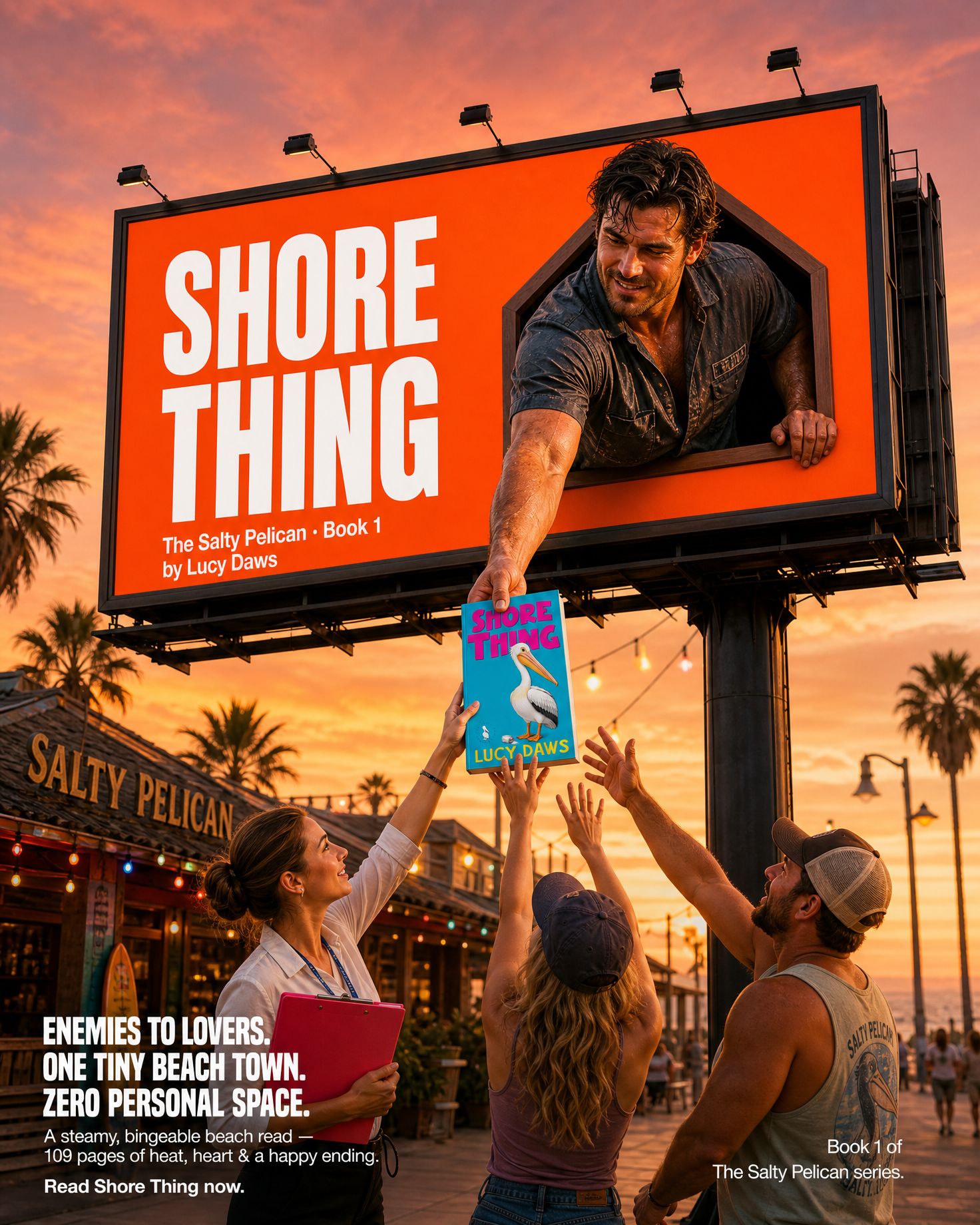
Manuscript-generated on-book image — an alternative to BookBrush template mockups Cover staged in a scene from the book itself, not a stock background On-book ad image generated from a pen-name manuscript
The difference in one row: these are on-book images from one of our own pen-name manuscripts. The backgrounds are the book's settings, not a stock library.
Side by side

Which one does which job.

JobBookBrushCanva / Adobe ExpressPlaceit / free mockupsBook Ad Pack
3D cover mockups & box setsExcellentBasic framesExcellent (photo-real)On-book images only — no box-set renders
Social templates sized for authorsExcellentGood, generalNoDelivered sized; not an editor
Scene images from your storyNoNo (stock / generative fill)NoYes — read from the manuscript
Video from the book's scenesTemplate animationTemplate animationNoYes — scene video
Ad copy & hooksNoNoNoYes — from real scenes
Amazon A+ modulesTemplatesTemplatesNoYes — built and sized
Drag-and-drop editingYesYesLimitedNo
Runs your ads for youNoNoNoNo — you keep your ad account
Pricing modelSubscriptionFree / subscriptionSubscription or per-itemPer-book pack

Prices change; the bands above are what these tools have commonly charged and are meant for orientation, not as quotes. Check each vendor's current page before you buy.

Fair questions

BookBrush and the alternatives, asked often.

What is the best alternative to BookBrush?

It depends on the job. For drag-and-drop design with the widest template library, Canva (or Adobe Express) is the closest all-rounder. For photo-real mockups, Placeit. For a single free 3D cover render, a free mockup generator. If the gap is material from your actual book — scene images, video and copy rather than templates — Book Ad Pack generates those from the manuscript. Many authors pair BookBrush for mockups with one of the others.

Is BookBrush worth it?

For most indie authors who want fast 3D mockups, box-set renders and author-sized social templates, yes — it does those jobs better than general tools and costs less than a single freelance graphic per month. It is not worth it if you expect it to supply the images and video of your story; it is a template engine, and the content inside the templates is still yours to find.

Can I use Canva instead of BookBrush?

Yes, and many authors do. Canva has book-mockup frames, social templates and a free tier, and if you already make your newsletters and ads there it saves a subscription. The trade-off is time: BookBrush’s author-specific templates and box-set renders are faster, and Canva’s mockups are less polished for books.

Does any tool make ad images from my actual manuscript?

Book Ad Pack does: it reads the manuscript and generates on-book images staged in the story’s settings, short scene video, character art, ad copy from real scenes and Amazon A+ modules, delivered as a pack you post from your own accounts. BookBrush, Canva, Adobe Express and Placeit all start from a template or a stock library and do not read the book.

How much do book marketing design tools cost?

BookBrush paid plans have commonly run in the region of $8 to $20 a month on annual billing; Canva Pro and Adobe Express premium are in a similar band; Placeit is a subscription or per-download. Free mockup generators cost nothing for a basic render. Book Ad Pack is priced per book pack rather than monthly — see the packages and pricing page for current numbers.

Keep reading

More on selling your book.

Your book next

Creative from the book, not a template.

Upload the manuscript or paste your Amazon link — we read the actual book, then show you what it can become before you commit to anything.