How to Promote a Book on Social Media: A Plan That Fits an Author's Week
Social, without the treadmill

How to promote a book on social media.

The short answer: pick one platform where your readers already are (for most fiction that is TikTok or Instagram; for non-fiction, LinkedIn or YouTube), post three to five times a week using a small set of repeatable post types, and send every interested reader to one link — your book page or a free sample. Below is the platform choice, the five post types that actually move copies, the image and video sizes, a realistic weekly plan, and an honest look at the tools.

Step one

Pick one platform. Then earn the second.

Authors burn out by trying to be everywhere. Each platform rewards a different habit, so start where your genre's readers gather and where you can sustain the format for six months:

TikTok (BookTok)

Short vertical video, 9:16, 1080 × 1920. The discovery engine for romance, fantasy, thriller and YA — the algorithm shows new accounts to strangers, which no other platform does as generously. Best for: fiction with a strong hook or trope. Cost: you need to be on camera, or to have video of your book that isn't a static cover.

Instagram (Bookstagram + Reels)

Reels are 9:16; feed posts do best at 4:5 (1080 × 1350). Slower discovery than TikTok, but a warmer community, and the place readers go to check you're real. Best for: building a recognisable author brand and a launch-day audience. Bookstagram templates cover the feed formats.

Facebook groups & your page

Organic reach on a page is near zero, but reader groups (genre-specific, "what to read next") are still where 35+ readers talk books. Best for: romance, cozy mystery, women's fiction, Christian fiction. Rule: read the group's promo rules before you post; most allow self-promo only on set days.

Pinterest & YouTube

Both are search engines more than social feeds: a pin (2:3, 1000 × 1500) or a video can keep sending traffic for a year. Pinterest suits aesthetics-driven genres (fantasy, historical, romance mood boards); YouTube suits non-fiction and author-craft channels. Slow start, long tail.

Whatever you pick, your bio carries exactly one link — the book's Amazon page, your reader-magnet signup, or a link page that leads with the newest book. Every post points back to that one place.

Step two

The five post types that sell books.

"Buy my book" posts don't work and feel bad to write. These five do, and together they give you a month of content from a single manuscript:

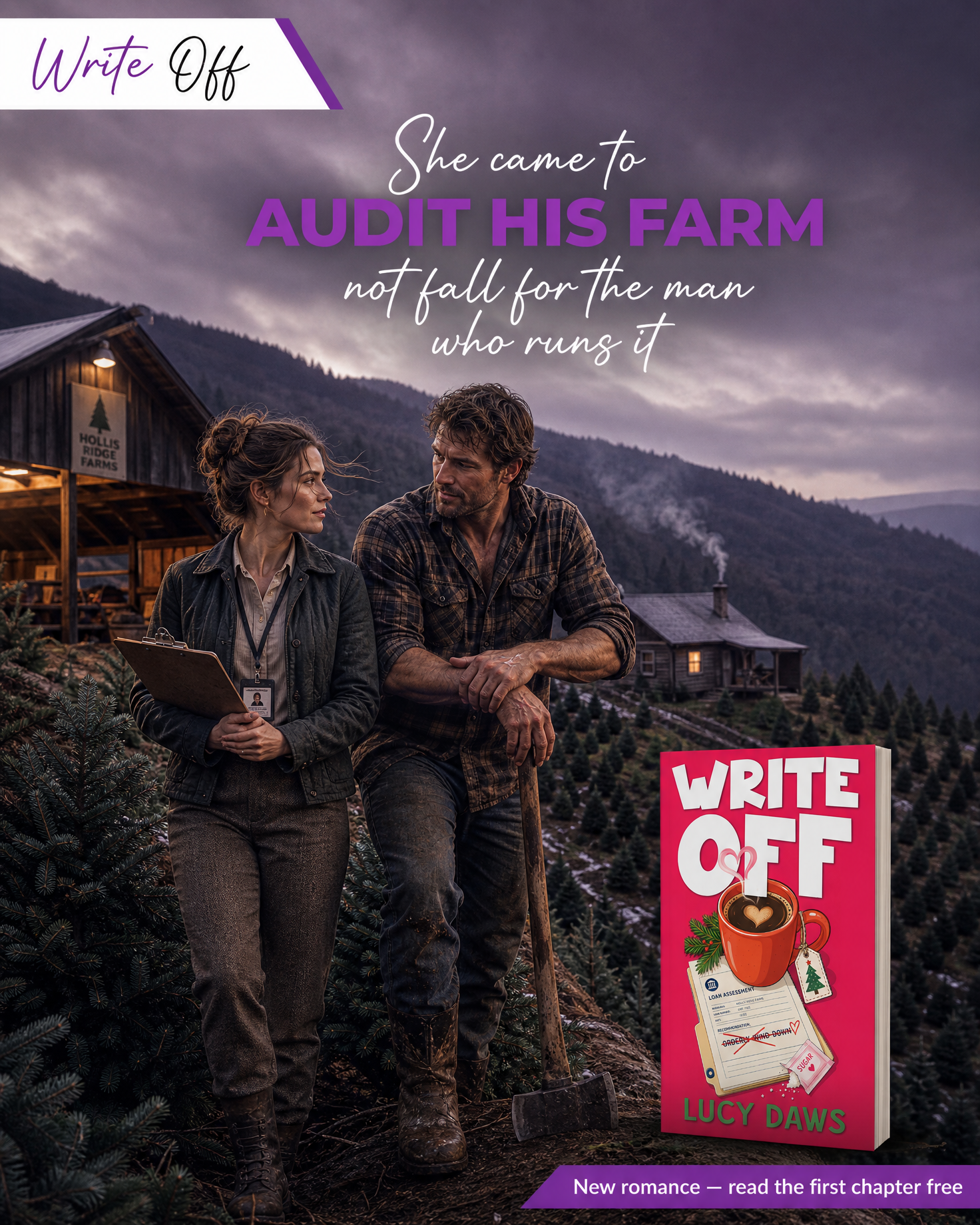
1. The trope / hook cardA still or 5-second clip with the book's tropes or one-line hook over a scene image. "Enemies to lovers. One bed. Her brother's best friend." Readers search by trope; this is how they find you.
2. The scene teaserA 15–30 second video of a moment from the book — the meet, the reveal, the first kiss, the body in the library — with a line of dialogue on screen. This is the post type that converts; it's the book selling itself.
3. The on-book imageYour cover placed in the world of the story — on a café table, a nightstand, a windowsill in the rain — not a flat JPEG. It's the social version of a bookshop display and it performs far better than the cover alone.
4. The character introductionOne character, one image, three lines: who they are, what they want, what's in the way. Series authors get one of these per character per book. Readers fall for characters before they buy books.
5. The reader-facing author postYou, the writing desk, the edit you cried over, the playlist. Not every post — roughly one in five — but it's what turns a viewer into a follower who buys the next book too.
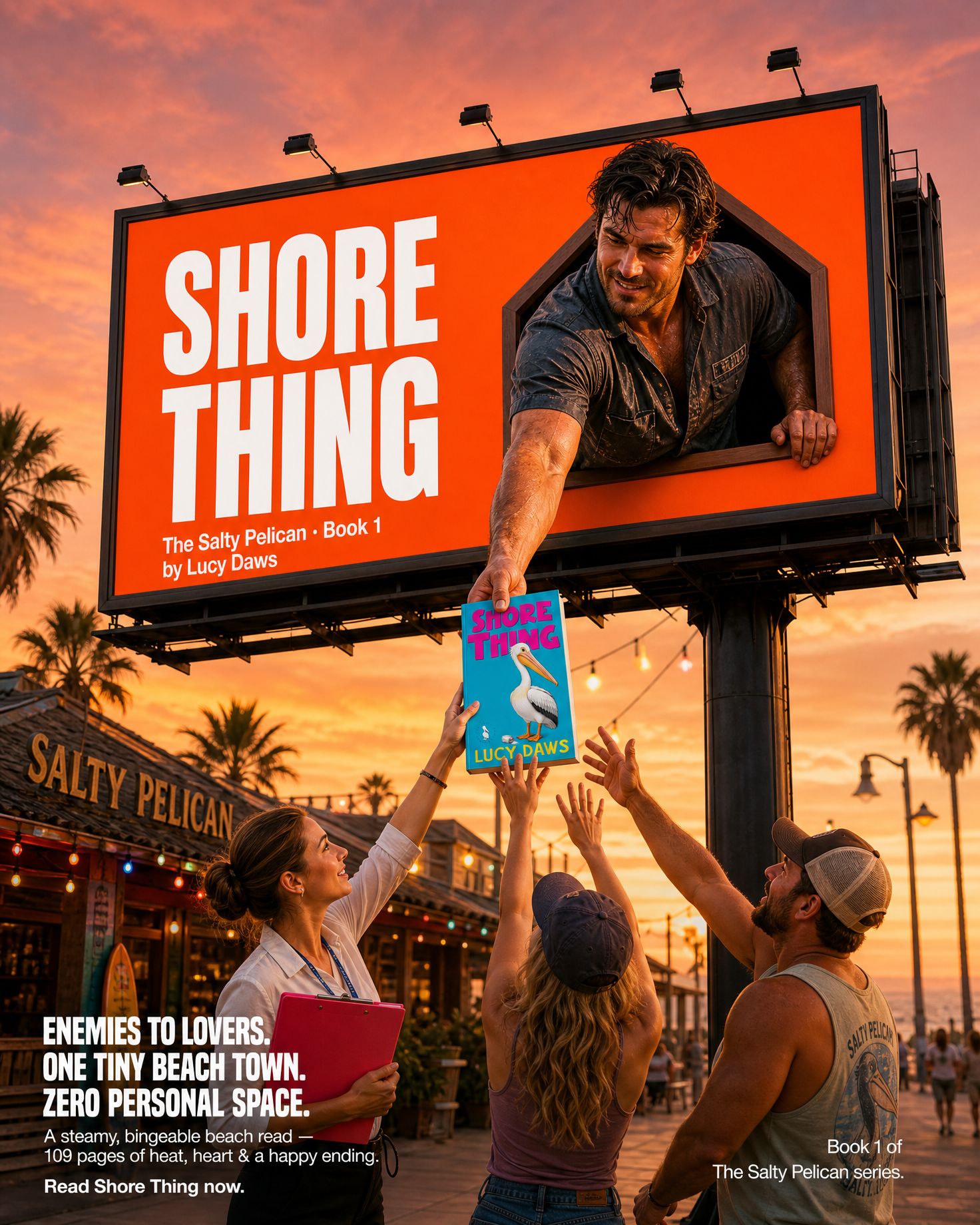
On-book social post example — a romance paperback staged in a real scene from the story Social media book promotion image — cover placed in a story setting at feed size Example of an on-book image used to promote a book on Instagram
Post type 3 in practice: on-book images generated from one of our own pen-name manuscripts. The cover is the real cover; the setting comes from the book.
Step three

A week that fits around writing.

Three hours a week is enough if the assets exist before the week starts. A schedule that authors actually keep:

1

Sunday: batch (90 min)

Make or pull the week's five posts from your asset folder: one hook card, two scene teasers, one on-book image, one author post. Write captions in one sitting. Schedule with the platform's own scheduler (Meta Business Suite and TikTok both have one, free).

2

Mon–Fri: post + reply (15 min/day)

One post goes out each weekday, ideally the same hour. The 15 minutes is for replying to every comment within the first hour — early replies are what the algorithms reward, not hashtags.

3

Saturday: look at the numbers (15 min)

Which post got saved and shared (not just liked)? Make two more like it next week. Which got nothing? Drop the format for a month. Saves and shares predict sales; likes don't.

Hashtags: three to five specific ones (#enemiestolovers, #darkromancebooks, #cozymystery) beat thirty generic ones. Launch weeks: double the cadence for seven days, then return to normal — sustained beats spiky. Paid boost: once a post has organically proven itself, putting a small budget behind it is the cheapest Facebook/Instagram ad you'll ever run.

The honest landscape

Tools authors actually use.

Canva

The default for DIY graphics; free tier is generous and Pro adds brand kits and background removal. Best for hook cards and quote graphics. The limit: it's a blank canvas — you still need scene images, and most authors end up with stock photos that could belong to any book.

BookBrush

Built for authors specifically: 3D cover mockups, box sets, animated templates, and an Instagram-friendly library. Strong on mockups and templates; the content inside them is still yours to supply. See BookBrush alternatives for a fair comparison.

BookBub, BookFunnel & newsletter swaps

Not social media, but where social traffic should land. A free sample on BookFunnel plus a newsletter capture turns a TikTok viewer into a reader you can reach again. BookBub Featured Deals are a paid promo, not a social channel.

Book Ad Pack

We read the manuscript and generate the raw material for post types 1–4 — scene video, on-book images, character art, and captions from real scenes — so the Sunday batch is picking from a folder, not starting from a blank canvas. You post it from your own accounts; we don't run your social or your ads.

Fair questions

Social media for authors, asked often.

How do I promote my book on social media for free?

Pick one platform where your readers already gather, post three to five times a week using repeatable formats (trope cards, scene teasers, on-book images, character intros, author posts), reply to every early comment, and point everything to one link. The free schedulers inside Meta Business Suite and TikTok handle the posting; the cost is about three hours a week.

Which social media platform is best for promoting a book?

For most fiction, TikTok (BookTok) gives the fastest discovery because it shows new accounts to strangers; Instagram builds the warmer, launch-ready audience. Facebook groups still work for romance, cozy mystery and readers over 35. Non-fiction authors usually do better on LinkedIn or YouTube. Start with one and add a second only once the first is sustainable.

How often should an author post on social media?

Three to five times a week, consistently, beats daily bursts followed by silence. Double the cadence for the seven days around a launch, then return to normal. Replying to comments within the first hour matters more to reach than posting more often.

What should an author post on social media besides “buy my book”?

Five formats carry most author accounts: a trope or hook card, a 15–30 second scene teaser, an on-book image (the cover staged in the world of the story), a character introduction, and occasional behind-the-desk author posts. Together they turn one manuscript into a month of content.

What size should book promotion images and videos be?

Vertical video for TikTok and Reels is 9:16 at 1080 × 1920. Instagram feed images do best at 4:5 (1080 × 1350). Pinterest pins are 2:3 (1000 × 1500). Facebook feed images work at 1:1 (1080 × 1080) or 4:5. Build one set of scene images and export each at the sizes you need.

Keep reading

More on selling your book.

Where our numbers come from

Counted, not claimed.

Why this comes from real data

Book Ad Pack is not a template library. Every pack is generated from the manuscript and checked against a reader-demand database we build and count ourselves: 725,746 hook mentions pulled from reader reviews, 5,344 reader personas, and 271,339 Amazon rank and price snapshots. The pipeline has built 76 complete packs across 13 subgenres, 53 of them on paid orders, including 255 ad creatives and 64 scene videos. Counts are live table counts taken 25 August 2026; they go up, not down. Compared with medium.com, which ranks first for “how to promote a book on social media”: a Medium post is one writer’s list of tips. Ours is grounded in 1,735 BookTok videos matched to books and 725,746 hook mentions from real reader reviews. See how we compare with Canva, Placeit and BookBrush.

Your book next

A month of posts from your manuscript.

Upload the manuscript or paste your Amazon link — we read the actual book, then show you the scene video, on-book images and captions it can become.