A book marketing agency plans and runs your book's promotion for a fee — publicity, ads, promo placements, sometimes all three. Retainers in this market commonly run $500–$5,000 a month, and campaign packages for a single launch can reach five figures. For some books that's the right buy. For most indie fiction, the same money split between professional creative and a small daily ad budget you control goes measurably further. Here's the honest map.
Smith Publicity, BookBaby's promo arms and similar firms chase media coverage — interviews, reviews, features. Strongest for nonfiction with a platform story; weakest for genre fiction, where readers follow genres and authors, not headlines.
Typical shape: monthly retainer, 3–6 month minimums.BookBub, Freebooksy, Written Word Media and their peers aren't agencies — they're placements. You buy a slot in front of their deal-hungry readers. Genuinely effective for discounted backlist and series starters; a Featured Deal is the closest thing to a guaranteed spike this industry has.
Typical shape: per-placement fee, from tens to low thousands.Reedsy connects you to freelance marketers one project at a time. Quality varies with the freelancer; the brief is on you. Good when you know exactly what you need and just want hands.
Typical shape: per-project quotes.Firms that run your Amazon or Meta ads for a monthly fee, usually on top of the ad spend itself. The good ones report real numbers. The structural catch: the retainer often exceeds an indie book's whole ad budget — and the account, the data and the learnings frequently live with them, not you.
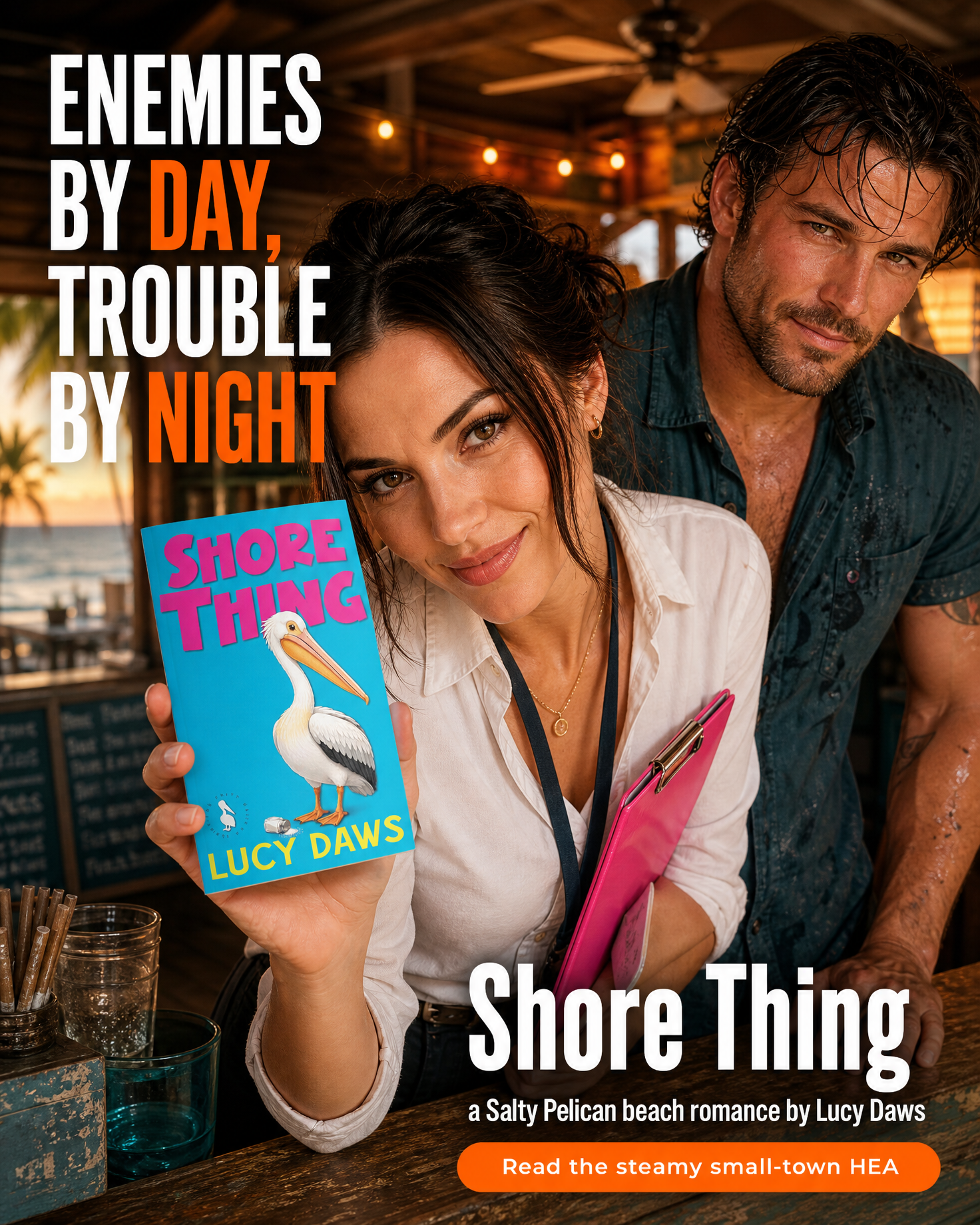
Typical shape: retainer + your ad spend.Book Ad Pack isn't an agency and doesn't run your ads. We do the part that actually needs a specialist — the creative, built from your real manuscript — and hand it over: on-book ad images at feed sizes, a 9:16 scene video, ad copy pulled from real scenes, Amazon A+ modules at exact spec, and the campaign plan to run them. You load them into your own account, spend $5–10 a day, and keep the pixel, the data and the readers. These are unedited assets from one of our own pen-name books:
There is no single best one, because they do different jobs. For publicity and media placement, Smith Publicity is among the longest-established book PR firms. For hiring vetted freelance marketers, editors and designers one job at a time, Reedsy is the best-known marketplace. For paid reader promotions, Written Word Media runs Freebooksy and Bargain Booksy, and BookBub offers both Featured Deals and its own ads platform — both are promo placements rather than agencies, and for genre fiction they are usually where the money works hardest. For learning to run ads yourself, Kindlepreneur publishes the most thorough free material and makes Publisher Rocket for keyword and category research; it is education and tooling, not an agency. Book Ad Pack is not an agency either: we generate the ad creative, copy and campaign plan from your manuscript and you run the campaign in your own account. Pick by the job you actually need done — publicity, hiring, promo placement, or creative — because paying an agency retainer for a job that is really one promo slot is the most common way indie budgets get wasted.
Publicity retainers in this market commonly run $500–$5,000 per month with multi-month minimums; single-launch campaign packages range from around $2,000 into five figures; ad-management firms typically charge a monthly fee on top of your actual ad spend. Promo placements (BookBub, Freebooksy and similar) are the exception — one-off fees per slot.
For genre fiction on an indie budget, usually not: the retainer tends to exceed the ad spend that would actually sell books. They earn their keep for platform-driven nonfiction, media-angle launches, and authors operating at publisher scale. Judge any agency on whether it can name the mechanism by which your specific book sells.
At minimum: ad creative built for your book (feed images, a short video), ad copy, Amazon A+ content so the product page converts, and a concrete campaign plan — audiences, budget, timeline. Be wary of packages that are mostly "exposure": social posts to the agency's own feed, press releases nobody runs, and badges.
The evidence in indie fiction favors author-run ads with professional creative: the platforms (Meta, Amazon) have made campaign mechanics simple enough to learn in an evening, and creative quality — not media buying — is the variable that moves sales. The DIY setup is a six-step build; see the launch guide on this site.
No — deliberately. We generate the creative and the plan from your actual manuscript; you run the campaign in your own account and keep the pixel, the data and the audience. That keeps the recurring cost at your ad spend instead of a retainer, and every learning stays yours.
The exact six-step setup an agency would charge a retainer for.
Read the guide →Sponsored Products, keywords, ACOS — and the creative that makes clicks convert.
Read the guide →What's in each pack, in plain language.
See the packs →Book Ad Pack is not a template library. Every pack is generated from the manuscript and checked against a reader-demand database we build and count ourselves: 725,746 hook mentions pulled from reader reviews, 5,344 reader personas, and 271,339 Amazon rank and price snapshots. The pipeline has built 76 complete packs across 13 subgenres, 53 of them on paid orders, including 255 ad creatives and 64 scene videos. Counts are live table counts taken 25 August 2026; they go up, not down. Compared with a traditional book marketing agency (the top result for this search today is a Google redirect page, not an agency at all): an agency bills for hours and usually wants the keys to your ad account. We generate the creative from your manuscript, check it against these counts, and you keep the account. See how we compare with Canva, Placeit and BookBrush.
Upload the manuscript or paste your Amazon link — we read the actual book, then show you the plan.